
|
Only good joint mechanics will allow good positions without load.
|
No back pain on the horizon in these positions.
|
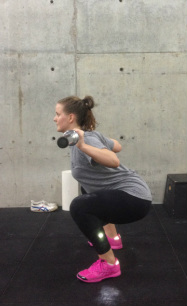
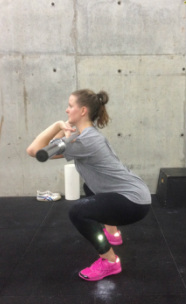
Therefore, when asked ‘how do you head things of at the pass?’ The answer is ‘you address the main players above and below the danger areas’. If you neglect your hip mobility (extension, internal rotation, flexion, and external rotation) and you are starting to feel tight in your hips when you squat, lunge, run etc., then you better believe that your low back is doing some serious overtime to pick up the slack.
With recurrence rates within 1 year of a low back pain episode at approximately 83%, prevention is absolutely better than a cure.
The moral of the story: if your upper back or hips feel tight – GET ON IT. Roll, stretch, distract and mobilise tissue. Get them moving properly before you work out, after you work out, and even when you are at home watching TV – get on the floor and mobilise. Otherwise, if you continue to lift heavy and expect the tightness to disappear, expect some back pain and an enforced rest period.
Try out these twists on some common Hip stretches to improve your Internal and External Rotation.
External Hip Rotation:
|
Standing ‘pigeon’ stretch: The key to this stretch is to have the knee flat or supported, inline with the hip. Don’t let the knee get outside your hip.
|
To increase the stretch, lower yourself down. Don’t lean forward. Maintain lumbar position just as you want to in a squat.
|


Internal Hip Rotation:
|
Make sure the knee is inline with the hip. Try this one without any loading first, it can be seriously uncomfortable if you have limited internal rotation.
|
If you find the hip of the internally rotated leg lifting off the floor, anchor it with a plate.
|


Recent Post
-
Hip Resurfacing Recovery: When Can You Return to the Gym?
Key Takeaways Returning to the gym happens in stages, with rehabilitation exercises, cycling and controlled…
-
What Happens If Hip Resurfacing Fails? Revision Surgery Explained
Key Takeaways Pain, swelling, clicking, or a limp do not automatically mean hip resurfacing has…
-
Can Women Have Hip Resurfacing? Understanding Who Is Suitable
Key Takeaways Women can be suitable for hip resurfacing, but eligibility depends more on component…
-
Hip Resurfacing vs Hip Replacement: Which Lasts Longer for Younger Patients?
Key Takeaways Neither procedure automatically lasts longer; the best option depends on anatomy, bone quality,…
-
How Long Does an Anterior Hip Replacement Last? Implant Lifespan Explained
Key Takeaways Modern anterior hip replacements commonly remain unrevised for 20 years or longer, although…
-
When Can You Drive After an Anterior Hip Replacement?
Key Takeaways Driving after anterior hip replacement is guided by functional readiness rather than a…
-
What Can Delay Recovery After an Anterior Hip Replacement?
Key Takeaways Recovery after anterior hip replacement varies, and slower progress can reflect preoperative weakness,…
-
Can Hip Dysplasia Be Managed Without Surgery? Understanding Your Options
Key Takeaways Many adults can manage hip dysplasia without immediate surgery when symptoms remain controllable,…
-
How Is Hip Dysplasia Diagnosed in Adults? Signs, Imaging, and Assessment
Key Takeaways Adult hip dysplasia is diagnosed by combining symptoms, physical examination and properly performed…
-
Can Hip Arthroscopy Help Femoroacetabular Impingement (FAI)?
Key Takeaway Hip arthroscopy may help selected patients when FAI symptoms, examination findings and imaging…


I reall like the simplistic delivery of the connection cause & effect! Plus the exercises I will be definitely trying! Thank you
If only my doctor understood this I would be fixed by now
I used these two drills with athletes this morning and they were amazed at the dramatic difference it made to their squat. It made immediate difference in the ability to hit depth and reduced the amount of hip tightness experienced while squatting.