
Shoulder Replacement Surgery in Sydney
Shoulder replacement may reduce pain and improve useful function when advanced joint damage has not responded sufficiently to appropriate non-surgical care.
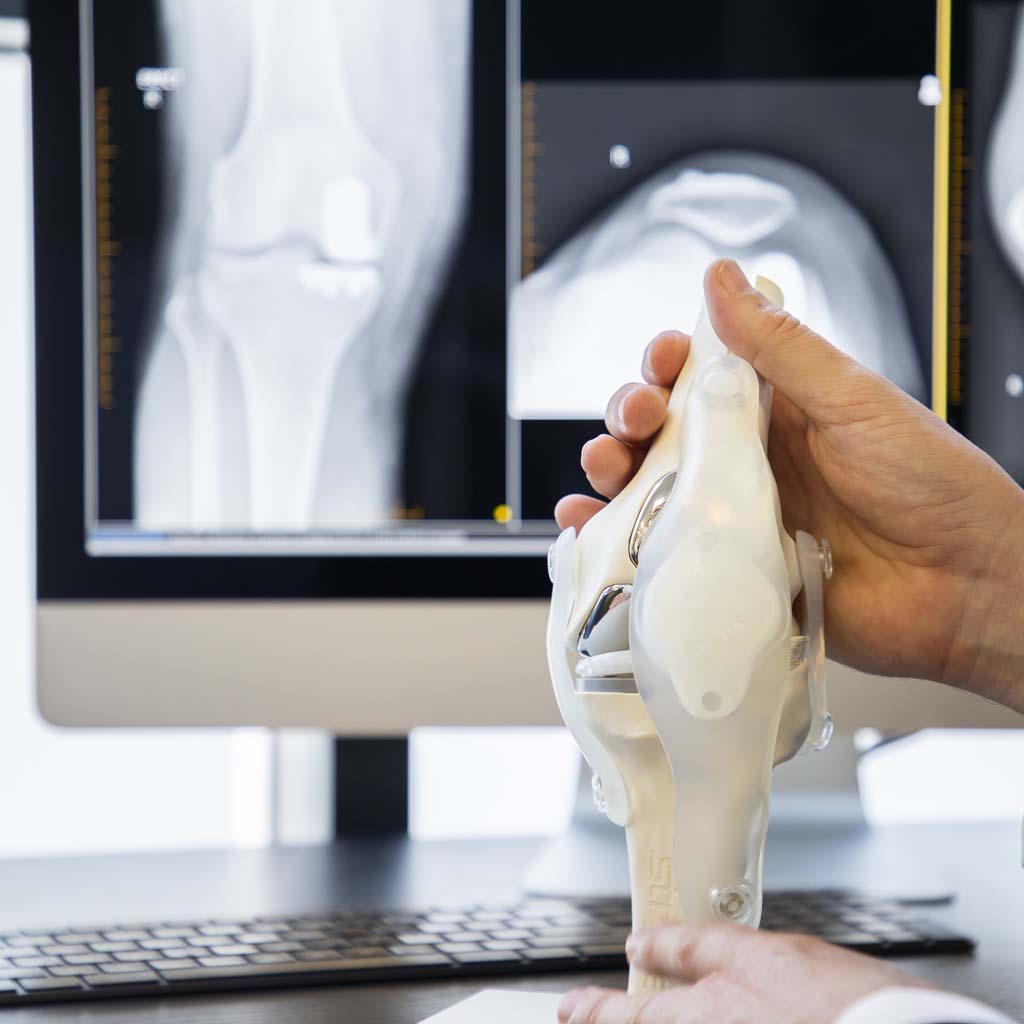
What Is Shoulder Replacement Surgery?
Shoulder replacement surgery is an operation used to replace damaged surfaces within the shoulder joint with artificial components. It may be considered when arthritis, a severe rotator cuff problem, a complex fracture or another joint disorder causes persistent pain and loss of function that has not improved sufficiently with appropriate non-surgical care.
Treatment does not begin with an assumption that surgery is required. Depending on the diagnosis and severity of the symptoms, options such as medication, activity modification, injections and shoulder physiotherapy may form part of the treatment pathway.
There are several types of shoulder joint replacement, including anatomic total shoulder replacement, reverse shoulder replacement and partial replacement. The appropriate option depends on factors such as the condition of the rotator cuff, the pattern of joint damage, bone quality, previous surgery, general health and personal goals. Other procedures and conditions affecting the joint are discussed within our broader shoulder surgery services.
This page explains when shoulder replacement surgery may be considered, how different replacement types work, what the procedure involves and what patients may expect during recovery and rehabilitation. It provides general information only; recommendations require an individual assessment by a qualified health professional.
The shoulder, or glenohumeral joint, is a ball-and-socket joint. The ball is formed by the head of the upper arm bone, called the humerus, while the socket is a shallow surface on the shoulder blade known as the glenoid. Articular cartilage covers these surfaces and helps them move smoothly with minimal friction.
Arthritis and some injuries can damage this cartilage and the underlying bone. As the joint surfaces become rough or deformed, the shoulder may become painful, stiff and difficult to use. Symptoms may affect reaching, lifting, dressing, sleeping, personal care, work and recreational activities.
During shoulder replacement surgery, the surgeon removes the damaged joint surfaces and replaces them with carefully selected artificial components. The entire shoulder is not removed. The operation replaces specific surfaces of the humeral head and, depending on the procedure, the glenoid.
The broad aim of shoulder replacement is to reduce pain arising from the damaged joint and improve useful function. The movement and strength achieved after surgery vary, and the shoulder may not feel or perform like a normal, uninjured joint.

What Conditions Can Shoulder Replacement Surgery Treat?
Shoulder replacement may be used for several conditions. The underlying diagnosis, rotator cuff function and pattern of bone damage help determine whether replacement is appropriate and which design may be considered.
Shoulder Osteoarthritis
Osteoarthritis develops as articular cartilage within the glenohumeral joint progressively deteriorates. This can lead to joint-space narrowing, bone spurs, changes in the shape of the humeral head or glenoid, pain and stiffness. Shoulder arthritis surgery may be considered when these changes cause substantial symptoms that remain difficult to manage with non-surgical treatment.
Rotator Cuff Tear Arthropathy
The rotator cuff is a group of muscles and tendons that helps move and stabilise the shoulder. A longstanding, extensive and irreparable rotator cuff tear can alter the mechanics of the joint and contribute to arthritis, weakness and difficulty raising the arm. A reverse shoulder replacement may be considered in selected patients because its design allows the deltoid muscle to contribute more to lifting the arm.
Inflammatory Arthritis
Rheumatoid arthritis and other inflammatory conditions can damage the cartilage, bone and soft tissues surrounding the shoulder. Replacement may be considered when joint damage and symptoms remain substantial despite appropriate medical and rehabilitative care.
Avascular Necrosis
Avascular necrosis occurs when the blood supply to part of the humeral head is disrupted. The affected bone may weaken or collapse, damaging the joint surface. Treatment depends on the stage and extent of the condition, and replacement is generally reserved for more advanced joint damage.
Complex Proximal Humerus Fractures
Many shoulder fractures can be managed without joint replacement or can be repaired. In selected complex fractures involving the upper humerus, however, the bone may be too fragmented or damaged to reconstruct reliably. Partial or reverse shoulder replacement may then be considered, depending on the fracture, bone quality, tendon condition and individual circumstances.
Post-Traumatic Arthritis
A previous fracture, dislocation or other significant injury can alter the shape and mechanics of the shoulder. Arthritis may develop months or years later. These cases can be more complex because of scar tissue, bone loss, deformity or previous implants.
Failed Previous Shoulder Surgery
Revision shoulder replacement may be considered when an existing implant becomes loose, worn, unstable or infected, or when a fracture or another complication affects the replaced joint. Revision procedures require careful assessment and may involve replacing one or more components, restoring bone or treating an underlying infection.
When Might Shoulder Replacement Surgery Be Considered?
The presence of arthritis on an X-ray does not, by itself, mean that surgery is necessary. The decision is based on how the shoulder affects the patient, whether the imaging findings correspond with the symptoms and whether reasonable non-surgical options have provided sufficient benefit.
Specialist assessment may be appropriate when a patient has:
- Persistent shoulder pain that affects daily activities
- Moderate or severe pain at rest
- Night pain that repeatedly disrupts sleep
- Progressive stiffness or loss of shoulder movement
- Weakness or difficulty raising the arm
- Difficulty dressing, washing, reaching or completing personal care
- Reduced ability to work, exercise or participate in valued activities
- Loss of independence because of shoulder symptoms
- Advanced joint damage identified on appropriate imaging
- Symptoms that remain unacceptable despite suitable non-surgical care
These factors do not automatically establish a need for replacement. A shoulder specialist must also consider other possible sources of pain, the expected benefits and limitations of surgery, the individual’s medical fitness and whether a different treatment may be more appropriate.
Who May Be Suitable for Shoulder Replacement Surgery?
Suitability is individual and is not determined by age alone. Some younger patients have severe joint damage that substantially affects their lives, while some older patients can continue managing arthritis without surgery. The likely benefit of an operation must be weighed against its risks, recovery requirements and possible long-term implant wear.
Assessment commonly considers:
- The underlying shoulder diagnosis
- The severity and duration of pain
- The effect of symptoms on sleep, independence and daily activities
- Active and passive shoulder movement
- Rotator cuff and deltoid function
- The extent and pattern of cartilage loss or bone deformity
- Glenoid bone stock and general bone quality
- Previous injuries or shoulder operations
- The treatments already attempted and the response to them
- Work, recreation and functional goals
- General health and ability to undergo anaesthesia and rehabilitation
Clinical Examination
The assessment usually includes a discussion of the pain pattern, previous treatment, injuries, medical conditions and functional limitations. The shoulder is examined for tenderness, movement, strength, stability and rotator cuff function. The neck, nerves or other nearby structures may also be assessed if they could be contributing to the symptoms.
X-rays, CT, MRI and Ultrasound
Shoulder X-rays can demonstrate joint-space loss, bone spurs, deformity, humeral head changes and glenoid wear. A CT scan may be used to assess bone anatomy, glenoid bone loss and component positioning during preoperative planning.
MRI or ultrasound may be helpful when the condition of the rotator cuff or other soft tissues needs clarification. Not every patient requires every type of scan. The appropriate imaging depends on the diagnosis, existing investigations and the information needed to plan treatment.
General Health
Conditions such as diabetes, heart or lung disease, smoking, skin problems, infection and the use of blood-thinning medication may influence surgical risk or preparation. Some health concerns need to be better controlled before surgery can proceed. This assessment helps determine whether the expected benefits of treatment justify the risks for that individual.
When Surgery May Not Be the First Option
Shoulder replacement is not always required for shoulder arthritis or pain. When symptoms are manageable and the patient can continue with important activities, non-surgical treatment may remain appropriate. It may also be used while a diagnosis is clarified or while a patient considers whether the recovery and limitations of surgery are acceptable.
Non-surgical management may include:
- Adjusting activities that repeatedly aggravate the shoulder
- Appropriate pain-relieving or anti-inflammatory medication
- Physiotherapy to address movement, strength and function
- A structured home exercise program
- Progressive strengthening under suitable clinical supervision
- Corticosteroid or other injections in selected circumstances
- Management of inflammatory arthritis by the appropriate medical team
- Monitoring symptoms and imaging when immediate surgery is unnecessary
The response to these treatments varies. Physiotherapy cannot restore cartilage that has been lost, but it may help some patients maintain movement, improve muscular support and manage day-to-day function. An injection may provide temporary symptom relief for some people but is not suitable or effective in every situation.
Longer-term conditioning through exercise physiology rehabilitation may also help patients build general strength and physical capacity, whether they continue with non-surgical care or are preparing for and recovering from an operation.
How Shoulder Replacement Surgery Is Performed
The exact shoulder replacement procedure depends on the diagnosis, implant selected, bone anatomy, condition of the rotator cuff and the surgeon's planned technique. Most shoulder replacements are performed through an incision at the front of the shoulder rather than as an arthroscopic or keyhole operation.

Before Surgery
Before surgery, the treating team reviews the patient’s health, medications, allergies and existing imaging. Additional blood tests, medical assessment or scans may be arranged. Medicines that affect bleeding, diabetes or blood pressure may need specific management, but they should only be changed on the advice of the relevant doctor.
Patients may also be advised to stop smoking, address dental or skin infections, maintain safe physical activity and prepare their home for temporary one-handed tasks. Transport, assistance at home, suitable clothing and time away from work should be arranged in advance.
During Surgery
Shoulder replacement is generally performed under general anaesthesia. A regional nerve block may also be used to assist with postoperative pain control, depending on the patient and anaesthetic plan.
The surgeon accesses the shoulder joint through an open incision and removes the damaged joint surfaces. The bone is prepared to receive the selected components. Trial components may be used to assess size, movement, tension and stability before the final implants are placed.
In an anatomic total shoulder replacement, the damaged humeral head is replaced with a metal component and the glenoid surface is generally replaced with a smooth socket component. The design aims to recreate the usual ball-and-socket relationship and generally relies on an adequately functioning rotator cuff.
In a reverse shoulder replacement, a ball component is attached to the glenoid side and a cup is placed on the humeral side. Reversing the joint configuration changes its mechanics and allows the deltoid to play a greater role when rotator cuff function is substantially deficient.
Implants may be stemmed or stemless and may use cemented or press-fit fixation. These are technical choices made according to the operation, anatomy, bone quality, implant system and surgeon’s assessment. No single component design is appropriate for every patient.
After Surgery
Once component position, movement and stability have been assessed, the soft tissues are repaired where required and the wound is closed. A dressing is applied and the arm is usually supported in a sling.
After the anaesthetic, the hospital team monitors pain, circulation, sensation and general health. Early movement of the hand, wrist and elbow may be encouraged, while shoulder movement follows the surgeon’s specific protocol. The duration of admission varies according to the procedure, recovery from anaesthesia, medical needs and support available after discharge.
Benefits and Goals of Shoulder Replacement Surgery
The principal goal of shoulder replacement is usually to reduce pain arising from damaged joint surfaces. Depending on the preoperative condition and the type of replacement, the procedure may also aim to:
- Improve useful shoulder movement
- Support greater independence with personal care and daily activities
- Reduce pain that interferes with sleep
- Improve the ability to reach and use the arm
- Address joint deformity or damaged bone
- Improve function where arthritis and rotator cuff deficiency occur together
- Support a return to appropriate work, exercise or recreation
Improvement is not guaranteed. The outcome can be influenced by the underlying condition, preoperative stiffness, muscle and tendon function, bone quality, general health, complications and participation in rehabilitation. Some patients continue to experience restricted movement, weakness or discomfort after surgery.
Risks and Considerations
All operations involve risk. The likelihood and significance of a complication vary according to the procedure, the patient’s health and the complexity of the shoulder. A surgeon can discuss the risks that are most relevant to the individual situation.
Potential risks and considerations include:
- Infection involving the wound or joint replacement
- Bleeding, bruising or a collection of blood around the surgical site
- Problems with wound healing
- Stiffness or restricted shoulder movement
- Persistent or recurrent pain
- Weakness or tendon dysfunction
- Instability or dislocation of the replacement
- Injury to nearby nerves or blood vessels
- Fracture of the humerus, scapula or bone around an implant
- Implant wear, loosening, movement or failure
- Differences in arm length or shoulder mechanics
- Blood clots and medical complications
- Reactions or complications related to anaesthesia
- The need for further or revision surgery
After an anatomic replacement, failure or deterioration of the rotator cuff or subscapularis tendon can affect function and stability. Reverse replacement has additional considerations, including scapular notching, instability and stress fracture of the acromion or scapular spine. These problems do not occur in every patient, but they form part of informed discussion before surgery.
A shoulder implant is not expected to last indefinitely. Its longevity may be affected by age, activity, bone quality, diagnosis, implant positioning, trauma, infection and wear. Periodic clinical and imaging review may be recommended even when the shoulder is functioning well.
Shoulder Replacement Recovery and Rehabilitation
Shoulder replacement recovery occurs in stages. The timing and permitted exercises differ between anatomic, reverse, partial and revision replacements. They may also be modified when tendon repair, fracture treatment or another procedure is performed at the same time.
Early Recovery
In the first days and weeks, priorities generally include pain management, wound care, protection of the healing tissues and safe movement within the prescribed limits. A sling is commonly used, although the type of sling and length of use vary.
Patients may initially need help with dressing, meal preparation, household tasks and transport. Loose, front-opening clothing can make dressing easier. Sleeping in a more upright position may be more comfortable during the early phase, but individual instructions should come from the treating team.
Patients should seek prompt advice if they develop symptoms such as increasing wound redness or drainage, fever, worsening swelling, uncontrolled pain, chest pain, shortness of breath, new numbness or an unexpected change in the position or function of the shoulder.
Physiotherapy and Rehabilitation
Shoulder replacement rehabilitation is planned around tissue protection, movement and progressive function. Early exercises may focus on the hand, wrist and elbow, followed by passive or assisted shoulder movement when permitted. Active movement and strengthening are introduced later, according to healing and the procedure performed.
Progressing too quickly can place healing tissues at risk, while unnecessary inactivity may contribute to stiffness and loss of confidence. The rehabilitation program should therefore follow the surgeon’s restrictions and be adjusted by the treating physiotherapist as the shoulder changes.
Later rehabilitation may address shoulder strength, endurance, posture, general conditioning and the physical requirements of work or recreation. Recovery is not always linear; temporary increases in stiffness or discomfort can occur as activity changes.
Return to Driving
Patients should not drive while their arm is restricted in a sling or when pain, weakness, medication or limited movement prevents safe control of the vehicle. Return to driving depends on the operation, the arm involved, functional control and the treating team’s guidance. Patients should also consider licensing and insurance requirements.
Return to Work
Return to work varies considerably. Someone performing computer-based duties may return earlier than a person whose job requires lifting, climbing, operating machinery or repeated overhead work. Temporary adjustments, reduced hours or modified duties may be required.
A suitable timeframe should be discussed before surgery and reviewed during recovery. No fixed return-to-work date can apply to every occupation or patient.
Return to Exercise and Sport
Walking and lower-body activity may resume earlier than exercise that loads the operated shoulder. Upper-body gym work, swimming, golf and other recreational activities are reintroduced gradually when movement, strength and healing permit.
Heavy repetitive lifting, collision activities or demanding overhead exercise may not be recommended after some replacements. The appropriate long-term activity level depends on the implant, procedure, recovery and the potential consequences of wear, instability or injury.
How Shoulder Replacement Compares With Other Options
Anatomic Total Shoulder Replacement
An anatomic total shoulder replacement recreates the usual arrangement of the joint, with a ball on the humeral side and a socket on the glenoid side. It is commonly considered for advanced glenohumeral arthritis when the rotator cuff is functioning adequately and the bone can support the planned components.
Reverse Shoulder Replacement
A reverse shoulder replacement exchanges the position of the ball and socket. It may be considered when an extensive rotator cuff tear prevents an anatomic replacement from functioning reliably, as well as for selected complex fractures, revision procedures, substantial bone loss or other specific conditions.
Partial Shoulder Replacement
A partial replacement, or hemiarthroplasty, replaces the humeral head while retaining the patient’s natural glenoid surface. It is used selectively because leaving a damaged glenoid untreated may allow pain to persist. It may be relevant in particular fractures, avascular necrosis or other carefully selected circumstances.
Revision Shoulder Replacement
Revision surgery replaces or modifies one or more components from a previous shoulder replacement. It is generally more complex than a first replacement because the surgeon may need to manage bone loss, scar tissue, infection, fracture, instability or soft-tissue deficiency.
Non-Surgical Care Versus Joint Replacement
Non-surgical care avoids the risks and recovery associated with an operation and may provide acceptable symptom control for many patients. It does not, however, restore cartilage or correct advanced structural joint damage. Replacement becomes a consideration when symptoms, function, imaging and personal priorities suggest that the potential benefits may justify the operative risks and recovery.
Shoulder Arthroscopy Versus Joint Replacement
Shoulder arthroscopy uses small incisions to inspect or treat certain soft-tissue and joint problems. It may be appropriate for conditions such as selected rotator cuff tears or instability, but it cannot reliably reverse advanced, widespread arthritis. The appropriate operation depends on the source and extent of the damage rather than a preference for the smallest incision.
Questions to Ask Your Surgeon
- What is causing my shoulder pain and loss of function?
- Do my symptoms and imaging findings correspond?
- What non-surgical options remain reasonable?
- Why are you recommending an anatomic, reverse or partial replacement?
- What are the realistic goals and limitations of surgery in my situation?
- What risks are most relevant to my health and shoulder?
- What type of implant and fixation may be used, and why?
- Will any tendons or other structures require repair?
- How long might I remain in hospital and use a sling?
- What help will I need at home?
- When will rehabilitation begin, and what restrictions will apply?
- When might I return to driving, work and my preferred activities?
- Which activities may remain restricted over the longer term?
- What costs may come from the surgeon, assistant, anaesthetist, hospital and rehabilitation providers?
- What should I do if I develop a concern after discharge?
Conclusion
Shoulder replacement surgery may be considered for patients with substantial joint pain, stiffness or loss of function caused by advanced arthritis, rotator cuff tear arthropathy, selected fractures or another serious shoulder disorder. The most suitable treatment depends on the diagnosis, imaging, rotator cuff function, bone quality, previous care, health and individual priorities.
Surgery is one option within a broader treatment pathway and is not necessary for every painful or arthritic shoulder. If symptoms are progressively affecting sleep, independence, work or everyday activities despite appropriate care, assessment by a qualified shoulder replacement specialist can help clarify the diagnosis, review non-surgical and surgical options, and establish realistic expectations for recovery.
Your surgeon

Dr Mun Khin Chan
Dr Mun Khin Chan assesses and treats shoulder conditions, including patients who may be considering anatomic or reverse shoulder replacement. He works alongside MTP Health's physiotherapy and exercise physiology teams so surgical care and rehabilitation can be coordinated.
View full profile →Frequently Asked Questions
Do all patients with shoulder arthritis need replacement surgery?
No. Many patients can manage shoulder arthritis with activity changes, medication, physiotherapy, injections or monitoring. Replacement may be considered when pain and functional limitations remain substantial despite suitable non-surgical treatment and when the potential benefits justify the risks.
What is the difference between total and reverse shoulder replacement?
An anatomic total shoulder replacement recreates the usual ball-and-socket arrangement and generally requires an adequately functioning rotator cuff. A reverse replacement switches the position of the ball and socket, allowing the deltoid muscle to contribute more when rotator cuff function is deficient. The choice depends on the diagnosis, tendons, bone anatomy and other individual factors.
How long will I need to wear a sling?
Sling use varies according to the replacement type, soft-tissue repair, bone quality and surgeon’s protocol. Some patients require protection for several weeks, but the exact duration and when the sling can be reduced should be confirmed by the treating team.
How long does shoulder replacement recovery take?
Early recovery generally focuses on wound healing, pain control and protected movement. Function is then developed gradually over several months, and improvements may continue beyond that period. The timeframe varies with the procedure, health, preoperative stiffness, tissue condition and rehabilitation progress.
When can I drive after shoulder replacement surgery?
Driving should not resume while the arm is in a sling or while pain, medication, weakness or restricted movement affects safe vehicle control. Clearance depends on functional recovery, the operated side, the procedure and the surgeon’s guidance rather than a universal date.
How long does a shoulder replacement last?
Shoulder replacements are designed for long-term use, but no implant can be guaranteed to last for a particular number of years. Longevity is affected by the implant, age, activity, bone quality, diagnosis, trauma, infection and wear. Some patients may eventually require revision surgery.
Will I regain full shoulder movement after replacement?
Full or normal movement cannot be guaranteed. Many patients undergo surgery primarily to reduce joint pain and improve useful function, but the final movement depends on preoperative stiffness, muscle and tendon function, implant type, healing and rehabilitation. Some restriction may remain.
Shoulder replacement consultations in Sydney
North Shore Health Hub, Level 4, Suite 401, 7 Westbourne St, St Leonards NSW 2065
St Leonards consulting →173 Warringah Road, Beacon Hill NSW 2100 — serving the Northern Beaches
Beacon Hill consulting →Talk to a shoulder surgeon
If shoulder pain and loss of function continue despite appropriate care, a specialist assessment can clarify the diagnosis and whether shoulder replacement or another treatment may be suitable.