
PCL Reconstruction in Sydney
PCL reconstruction may be considered when a posterior cruciate ligament injury causes ongoing knee instability despite appropriate rehabilitation, or when other important knee ligaments are also damaged.
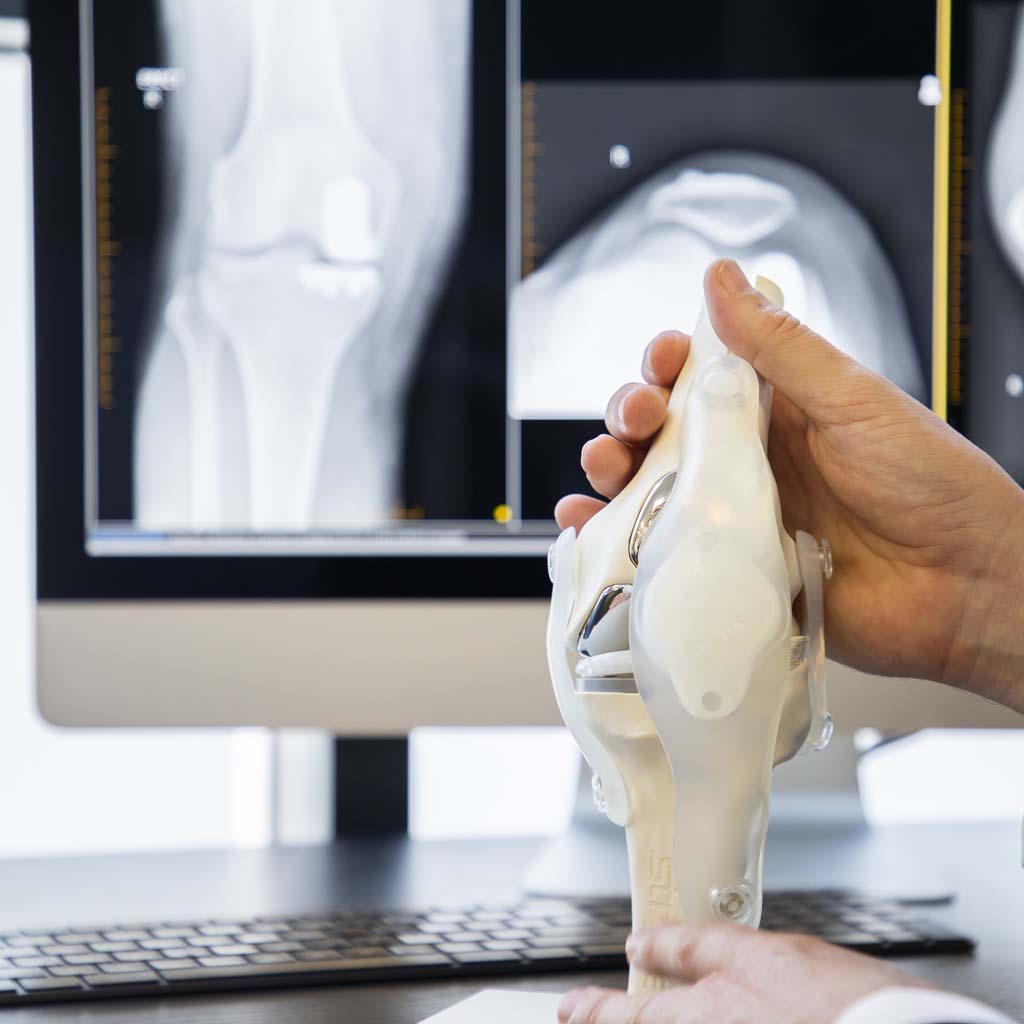
What Is PCL Reconstruction?
PCL reconstruction is a surgical procedure used to replace a torn or severely damaged posterior cruciate ligament (PCL), one of the major stabilising ligaments within the knee. The PCL connects the thigh bone (femur) to the shin bone (tibia) and helps prevent the tibia from moving excessively backwards while contributing to overall knee stability during walking, running, changing direction and descending stairs.
Although many isolated PCL injuries can improve with structured rehabilitation, some people continue to experience instability, reduced confidence in the knee or difficulty returning to their usual activities. In these situations, PCL reconstruction may be considered to restore stability and improve knee function. A thorough assessment, including imaging and discussion of treatment goals, helps determine whether surgery is appropriate.
A posterior cruciate ligament injury can affect knee stability, confidence during movement and participation in work, sport or everyday activities. For many patients, structured physiotherapy treatment forms an essential part of care, whether surgery is recommended or not.
PCL reconstruction surgery is only recommended when the expected benefits outweigh the potential risks. Every treatment plan is individual and is based on your symptoms, clinical examination, imaging findings, activity level and long-term goals.

What Conditions Can PCL Reconstruction Treat?
Posterior cruciate ligament reconstruction may be considered for several types of knee injuries where instability persists or where the injury is unlikely to recover adequately with non-surgical management alone.
Complete PCL Tears
A complete rupture of the posterior cruciate ligament may result in significant instability, particularly during activities that place higher demands on the knee. Not every complete tear requires surgery, but reconstruction may be considered when symptoms persist despite appropriate rehabilitation.
Persistent Knee Instability
Some people continue to experience episodes of the knee giving way, reduced confidence on uneven ground, difficulty walking downhill or problems descending stairs despite months of rehabilitation. Ongoing functional instability may indicate that reconstruction should be discussed.
Multi-Ligament Knee Injuries
PCL injuries sometimes occur together with damage to other important stabilising structures, including the anterior cruciate ligament (ACL), medial collateral ligament (MCL), lateral collateral ligament (LCL) or the posterolateral corner of the knee. These more complex injuries often require specialist assessment and, in some cases, surgical reconstruction of multiple ligaments.
PCL Avulsion Injuries
Occasionally, the ligament remains intact but pulls away from the bone, taking a small fragment of bone with it. Depending on the location and severity of the injury, surgery may be considered to restore stability and allow appropriate healing.
Chronic PCL Deficiency
Some people develop long-standing instability after an untreated or previously managed PCL injury. Chronic instability may alter the mechanics of the knee over time and contribute to ongoing pain, reduced function or associated damage to cartilage and other supporting structures.
When Might This Procedure Be Considered?
Not every PCL injury requires surgery. Many isolated injuries improve with structured rehabilitation, bracing and activity modification. Posterior cruciate ligament surgery is generally considered only after careful assessment of the injury pattern, symptoms and response to conservative management.
PCL reconstruction surgery may be considered when:
- There is persistent knee instability despite appropriate rehabilitation.
- A complete PCL tear is associated with significant functional limitations.
- Multiple knee ligaments have been injured.
- Imaging demonstrates associated injuries requiring surgical treatment.
- The injury prevents return to important occupational or sporting activities.
- There is ongoing symptomatic posterior knee laxity affecting quality of life.
The decision to proceed with surgery is based on the overall clinical picture rather than MRI findings alone. Your surgeon will consider physical examination findings, imaging, activity demands, overall health and personal goals before recommending treatment.
Surgery is not always the first step. Many isolated PCL injuries improve with bracing, activity modification and structured rehabilitation. The decision is based on functional stability, associated injuries and how the knee responds over time.
Who May Be Suitable For PCL Reconstruction?
Suitability for PCL ligament reconstruction varies from person to person. A detailed consultation helps determine whether surgery is likely to provide meaningful benefits based on your individual circumstances.
Factors that may be considered include:
- The severity and pattern of the ligament injury.
- Whether the injury is isolated or involves multiple knee ligaments.
- The degree of knee instability during everyday activities.
- MRI and X-ray findings.
- Your age, general health and activity level.
- Occupational requirements.
- Sporting or recreational goals.
- Your response to physiotherapy and other non-surgical treatment.
A recommendation for surgery is made only after considering whether reconstruction is likely to improve stability and function while balancing the potential risks and expected recovery.
When Surgery May Not Be The First Option
Surgery is not always the first or best treatment for a torn PCL. Many isolated injuries can improve significantly without an operation through a structured rehabilitation program and appropriate activity modification.
Non-surgical treatment may include:
- Activity modification during the early stages of recovery.
- Graduated strengthening exercises.
- Specific quadriceps strengthening to improve knee stability.
- Bracing where appropriate.
- Pain management strategies.
- Monitoring symptoms over time.
The decision to continue non-surgical care or proceed with torn PCL surgery depends on how stable the knee becomes, whether symptoms continue to interfere with daily activities and whether associated injuries are present.
How The Procedure Is Performed
PCL reconstruction is usually performed using minimally invasive arthroscopic (keyhole) techniques. The damaged ligament is replaced with a tendon graft that acts as a new ligament while gradually healing into the bone. The exact surgical technique varies depending on the injury pattern, associated damage and the graft selected.
Before Surgery
Before the operation, your surgeon will review your symptoms, examine the knee and assess imaging such as MRI and X-rays. You will discuss treatment options, expected recovery, potential risks and the rehabilitation process. Pre-operative planning also helps determine the most suitable graft for your situation.

During Surgery
Small incisions are made around the knee to introduce an arthroscope and specialised surgical instruments. The damaged PCL is assessed and tunnels are carefully created within the femur and tibia to allow placement of the graft. The graft is then positioned to recreate the function of the original ligament and secured using specialised fixation devices. If additional injuries such as meniscal tears or other ligament damage are identified, they may also be treated during the same operation where appropriate.
After Surgery
Following surgery, the knee is typically protected with a brace while the reconstructed ligament begins to heal. Pain management, swelling control and carefully guided rehabilitation begin soon after surgery. The exact rehabilitation program varies depending on whether additional procedures were performed and your surgeon's recommended protocol.
Benefits And Goals Of The Procedure
The primary goal of PCL reconstruction is to improve the stability of the knee when non-surgical treatment has not provided sufficient improvement. While outcomes vary between individuals, reconstruction aims to restore the function of the posterior cruciate ligament and support a return to appropriate daily activities, work and sport where possible.
Potential goals of posterior cruciate ligament reconstruction include:
- Improving knee stability during everyday movement.
- Reducing episodes of the knee giving way.
- Supporting improved confidence during walking and changing direction.
- Addressing associated ligament injuries where present.
- Helping patients return to suitable occupational, recreational or sporting activities following rehabilitation.
- Improving overall knee function.
Although many patients experience improved stability after surgery, no procedure can guarantee complete pain relief, a return to pre-injury performance or prevention of future arthritis. Individual outcomes depend on factors including the severity of the original injury, associated damage, rehabilitation and overall health.
Risks And Considerations
As with any operation, PCL reconstruction surgery carries potential risks and complications. Most patients recover without major problems, but it is important to understand the possible risks before deciding whether surgery is appropriate.
Potential risks may include:
- Infection.
- Bleeding or wound healing problems.
- Blood clots (deep vein thrombosis).
- Stiffness or reduced knee movement.
- Persistent pain or swelling.
- Residual knee instability.
- Stretching or failure of the reconstructed ligament.
- Numbness around the surgical incisions.
- Nerve or blood vessel injury.
- Complications related to graft harvest or fixation.
- The possible need for additional surgery.
Your surgeon will discuss the risks that are most relevant to your individual circumstances, answer your questions and explain the expected benefits and limitations of surgery before proceeding.
When to seek help. Contact your treating team or seek urgent medical care if you develop increasing calf pain or swelling, fever, spreading redness, wound discharge, chest pain, shortness of breath or pain that is not controlled by your prescribed medication.
Recovery And Rehabilitation
Recovery following PCL reconstruction rehabilitation is gradual and varies depending on the extent of the injury, whether additional procedures were performed and your individual rehabilitation progress. Following your surgeon's advice and participating in a structured rehabilitation program play an important role throughout recovery.
Early Recovery
During the early stages of recovery, the focus is on protecting the reconstructed ligament, managing pain and swelling, restoring safe knee movement and gradually improving walking. A knee brace and crutches may be recommended for a period, depending on your surgical procedure and rehabilitation plan.
Physiotherapy And Rehabilitation
A carefully supervised rehabilitation program is essential after PCL reconstruction recovery. Rehabilitation progresses through stages designed to restore movement, improve quadriceps strength, rebuild balance and gradually prepare the knee for higher levels of activity. Some patients may also benefit from exercise physiology rehabilitation to assist with progressive strength, conditioning and return to functional activities under professional supervision.
Return To Work
The timing of return to work depends on the physical demands of your occupation. Patients performing office-based duties may return sooner than those whose work involves lifting, climbing, prolonged standing or physically demanding activities. Your surgeon will provide individual advice based on your progress.
Return To Sport Or Activity
Returning to running, pivoting sports and higher-level activities usually occurs only after adequate healing, restoration of strength, functional assessment and clearance from your treating team. Timelines vary considerably between individuals and should not be compared directly with other patients.
Rehabilitation protects the reconstruction. Progression should be based on healing, movement quality, strength and functional testing rather than the calendar alone.
How This Procedure Compares With Other Options
PCL reconstruction is only one of several treatment options for posterior cruciate ligament injuries. The most appropriate treatment depends on the severity of the injury, associated damage and your individual circumstances.
Many isolated PCL injuries respond well to non-surgical management, including bracing, physiotherapy and progressive strengthening exercises. Surgery is generally reserved for patients with persistent instability, combined ligament injuries or symptoms that continue to interfere with daily function despite appropriate rehabilitation.
Unlike a direct ligament repair, reconstruction replaces the damaged ligament using a tendon graft because the torn PCL often cannot be reliably repaired. When multiple ligaments are injured, reconstruction may be combined with other procedures during the same operation.
For more information about related operative treatments, visit the knee surgery page.
Questions To Ask Your Surgeon
- Do I need PCL reconstruction, or could non-surgical treatment still be appropriate?
- Is my injury isolated or are other knee ligaments involved?
- What type of graft do you recommend, and why?
- What are the expected benefits and limitations of surgery in my situation?
- What risks should I be aware of?
- How long is the expected recovery period?
- When can I safely return to work, driving and sport?
- What rehabilitation program will I need following surgery?
Why Have Your PCL Reconstruction At MTP Health?
MTP Health brings together orthopaedic surgery, physiotherapy and exercise physiology in one clinic. This integrated model allows assessment, operative planning and rehabilitation to be coordinated by a team working from one shared treatment plan.
If surgery is not the most suitable first option, you can be directed towards an appropriate non-surgical management program. When reconstruction is recommended, rehabilitation can be planned around the procedure, associated injuries and your functional goals.
Your Surgeon

Dr Jonathan Negus
Dr Jonathan Negus is an orthopaedic hip and knee surgeon who assesses and treats complex knee injuries. He works alongside MTP Health's physiotherapy and exercise physiology team so surgical planning and rehabilitation can be coordinated within one clinic.
View full profile →Frequently Asked Questions
Can a torn PCL heal without surgery?
Yes. Many isolated PCL injuries can improve with structured rehabilitation, activity modification and, where appropriate, bracing. Surgery is generally considered only when instability persists or other significant injuries are present.
Do all complete PCL tears require reconstruction?
No. A complete tear does not automatically require surgery. Treatment recommendations depend on the degree of instability, associated injuries, functional limitations and your response to non-surgical care.
How long does PCL reconstruction recovery take?
Recovery varies between patients. Most people require several months of rehabilitation, while returning to higher-level sporting activities may take considerably longer depending on healing, strength, functional progress and the procedures performed.
Is PCL reconstruction performed arthroscopically?
Yes. In most cases, PCL reconstruction surgery is performed using arthroscopic (keyhole) techniques, allowing the surgeon to assess the knee joint and reconstruct the ligament through small incisions.
What graft is used during PCL reconstruction?
Several graft options may be suitable, including hamstring tendon, quadriceps tendon or donor tissue in selected situations. The most appropriate graft depends on your anatomy, injury pattern, previous surgery and your surgeon's recommendation.
When can I return to sport after PCL reconstruction?
Return to sport depends on successful healing, restoration of strength, functional testing and medical clearance. Every rehabilitation program progresses at an individual pace, so return-to-sport timelines vary.
Can the reconstructed ligament tear again?
Although reconstruction aims to restore knee stability, the graft can be injured by significant trauma or excessive loading before it has fully healed. Following your rehabilitation program and your surgeon's recommendations helps reduce this risk.
PCL Reconstruction Consultations Across Sydney
North Shore Health Hub, Level 4, Suite 401, 7 Westbourne St, St Leonards NSW 2065
St Leonards consulting →173 Warringah Road, Beacon Hill NSW 2100 — serving the Northern Beaches
Beacon Hill consulting →Also consulting at Gosford, Wahroonga, Castle Towers and Tamworth.
Talk To A Surgeon About Your Knee
Book a consultation to discuss whether PCL reconstruction or continued non-surgical treatment is the most appropriate next step for your injury.
Book a ConsultationPrefer to talk? Call (02) 9437 9794 · GP & physio referrals: referrer information