
Shoulder Surgery in Sydney
Reach overhead, sleep through the night and lift without that catch of pain in your shoulder. Shoulder surgery in Sydney repairs the specific structure causing the problem, whether a torn tendon, an unstable joint or a worn joint surface, so the shoulder can move the way it did before the injury took hold.
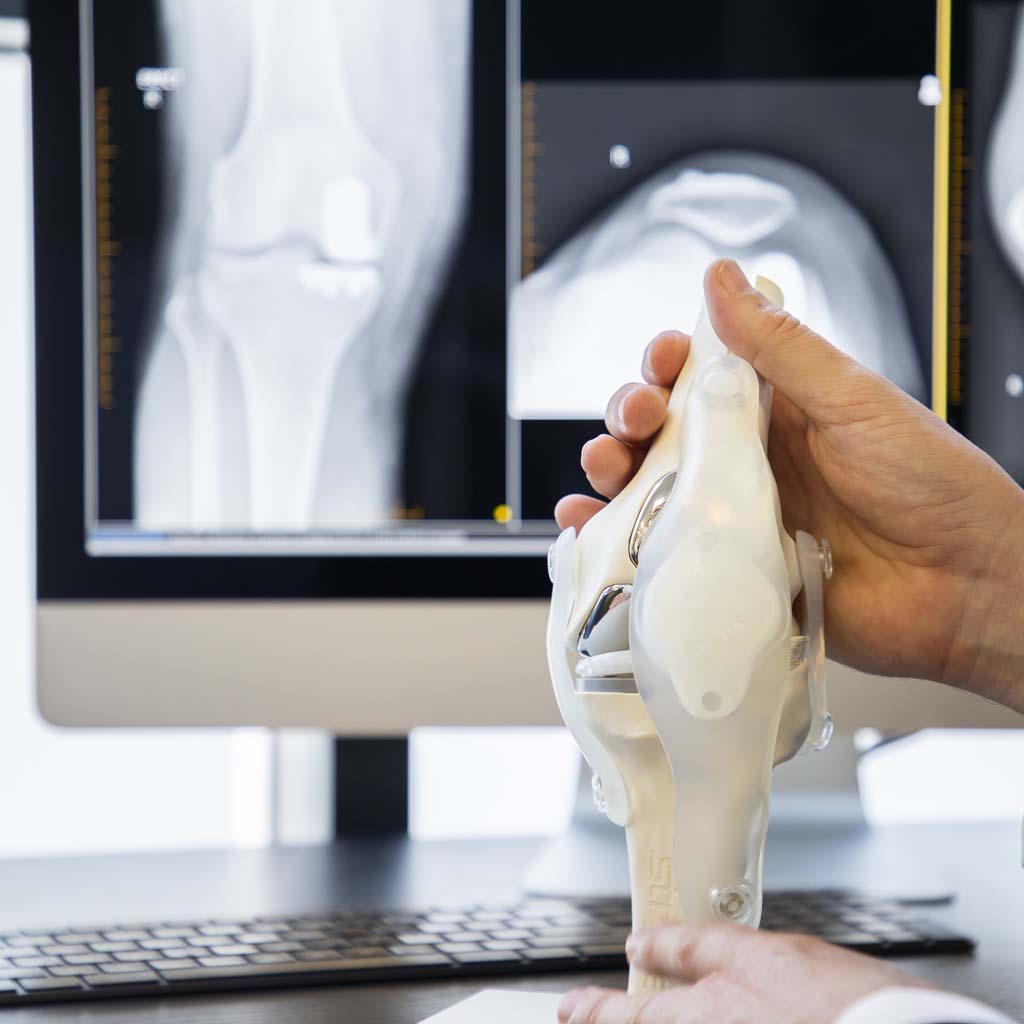
Shoulder problems rarely improve on their own once they wake you at night or stop you lifting. The right procedure depends on what is damaged inside the joint, so the first step is an accurate diagnosis, not a booking for surgery. At MTP Health, orthopaedic assessment, surgery and rehabilitation sit under one roof, so the plan that gets you back to full movement is built and delivered by the same team.
What Shoulder Surgery at MTP Health Involves
Shoulder surgery covers a group of procedures that each target a different cause of pain, weakness or instability. Some repair soft tissue such as the rotator cuff, some rebuild the structures that keep the joint stable, and some replace a joint surface worn down by arthritis. Most are done arthroscopically, using small incisions and a camera, though larger reconstructions and replacements use an open approach where that gives a better result.
The aim is function, not just pain relief. A repaired rotator cuff should let you lift and rotate the arm again. A stabilised shoulder should stop dislocating. A replaced joint should move without the grind of bone on bone. Which applies to you comes down to imaging and examination, not a preference set in advance.
Assessment starts with a consultation that reviews your history, your scans and how the shoulder behaves under examination. Where surgery is the right option, it is explained alongside the non-surgical alternatives, so you understand what each path involves before deciding. You can read more on the orthopaedic first visit page.
Because the same clinic handles physiotherapy and exercise physiology, the recovery plan is arranged before the operation. That continuity matters most in the weeks after surgery, when guided rehabilitation does much of the work of restoring movement.
Types of Shoulder Surgery Available
The procedure that suits you depends on which structure is damaged and how badly. These are the shoulder operations performed through MTP Health:
Who Shoulder Surgery Suits
Surgery is one option among several, and not always the first. These points help you gauge where you sit:
How the Process Runs
From first contact to full recovery, shoulder surgery through MTP Health follows a clear sequence:
Consultation and Diagnosis
Your first appointment reviews your symptoms, examines the shoulder and works through your scans. Where imaging is incomplete, further scans may be arranged before any decision. The outcome is a diagnosis and a discussion of every reasonable option, surgical and non-surgical.
Surgery Preparation
Once surgery is agreed, preparation covers what to expect, how to get the shoulder and your general health ready, and what the first weeks afterwards involve. Targeted prehabilitation before surgery can build strength and movement beforehand, which often helps recovery.
Surgery and Recovery
The procedure is carried out at one of the affiliated hospitals, most as day surgery or a short stay depending on the operation. Rehabilitation begins soon afterwards and does the work of restoring movement and strength. Guided post-operative rehabilitation continues over the weeks and months that follow, matched to the procedure you had.
Plan Your Recovery
What to Expect on the Day of Surgery
Knowing how the day runs takes some of the worry out of it. Most shoulder procedures are carried out at an affiliated private hospital, with the detail confirmed for you beforehand:
Before the Operation
You are given a fasting time and an arrival time in advance. On arrival, the surgeon and anaesthetist confirm the plan with you and answer any last questions. The arm is marked and prepared, and the anaesthetic is discussed, whether a general anaesthetic, a nerve block or both.
During and After
Keyhole procedures often take one to two hours, though this varies with what is found and treated. Afterwards you are monitored in recovery, fitted with a sling where needed, and given pain relief. Many people go home the same day, while replacements and larger reconstructions may involve an overnight stay.
First Week Home
You leave with instructions on wound care, sling use and the early movements allowed. Pain and swelling are expected in the first days and settle with the medication provided. The first rehabilitation appointment is usually booked before you leave. Guidance on the final run-up is set out on the week before surgery page.

Weighing Up the Trade-offs
An honest view of both sides helps you decide with clear eyes:
What It Costs and What Affects the Price
Cost depends on the procedure, the hospital, the anaesthetist and your private health cover, so a single figure cannot be quoted in advance. During consultation, you receive an itemised estimate with the relevant item numbers, which lets you check your rebate with Medicare and your insurer. Public options may be available through referral, though waiting times differ.
Several things move the final figure: whether the operation is keyhole or open, the length of the hospital stay, the type of anaesthetic and the implants used in a replacement. Your level of private cover determines how much of the hospital and surgical fee is met and what gap remains. Bringing your policy details to the consultation lets these questions be answered against your actual situation.
Why Choose MTP Health for Shoulder Surgery in Sydney
MTP Health brings physiotherapy, exercise physiology and orthopaedic surgery together in Sydney, so assessment, surgery and rehabilitation are delivered by one team, not split across separate providers. Each care plan is built for the individual, with every step explained so you stay in control of your recovery.

Dr Mun Khin (MK) Chan
- Fellowship of the Royal Australasian College of Surgeons (FRACS) and Fellowship of the Australian Orthopaedic Association (FAOrthA).
- Medical degree, University of New South Wales, 2010; orthopaedic training in New South Wales.
- Two shoulder and elbow fellowships and a hand and wrist fellowship, focused on arthroscopy, joint replacement and sports injuries.
- Published in international journals; Dean’s Award for Excellence in Teaching, University of Newcastle.
Dr Chan consults as part of MTP Health’s wider orthopaedic surgery team, which also covers the knee and hip. Consultations run from St Leonards on the North Shore and Beacon Hill, with orthopaedic consulting also available in Gosford, Wahroonga, Castle Towers and Tamworth.
Full Shoulder Movement Within Reach Again
A shoulder that catches, weakens or dislocates does not have to stay that way. The path back starts with knowing what is wrong, which takes an examination and a look at your scans. From there, whether the answer is surgery or a rehabilitation program, the plan is built around getting your arm working the way you need it to. Book a consultation in Sydney to find out which option fits your shoulder.
Book Your AssessmentFrequently Asked Questions (FAQs)
How long is recovery after shoulder surgery?
Recovery depends on the procedure. Keyhole operations such as shoulder arthroscopy may allow a return to light activity within a few weeks, while a rotator cuff repair or replacement typically involves several months of staged rehabilitation. Your surgeon gives you a timeline specific to your operation.
Will I need physiotherapy afterwards?
In most cases, yes. Structured rehabilitation restores much of the shoulder’s movement and strength after surgery, and skipping it often limits the result. At MTP Health, this is arranged as part of your plan, not left for you to organise separately.
How much will shoulder surgery cost me?
There is no single price, because it depends on the procedure, hospital, anaesthetist and your health cover. You receive an itemised estimate with item numbers at consultation, so you can confirm your rebate with Medicare and your insurer before committing.
Do I need a referral to be seen?
A referral from a general practitioner (GP) or specialist is generally needed to see an orthopaedic surgeon and to access Medicare rebates. If you are unsure, contact the clinic and staff can explain what you need before booking.
What if surgery turns out not to be right for me?
Not every shoulder problem needs an operation. Where non-surgical treatment is likely to work, that is what is recommended, and the clinic’s exercise physiology and physiotherapy teams can deliver it. The consultation exists to find the right answer, which is sometimes to avoid surgery.