

Patellofemoral pain (PFP) has a high prevalence in general practice, orthopaedic, and sports settings. Pain is exacerbated by tasks which increase patellofemoral joint (PFJ) loading including running, squatting and stair negotiation, with occupational and physical capacity often reduced. The condition affects a wide range of ages, often beginning in early adolescence. Between 71 and 91% of individuals report chronic ongoing pain up to 20 years following initial diagnosis. PFP may also increase the risk of developing patellofemoral osteoarthritis.
Numerous biomechanical factors have been linked to PFP and these are discussed in more detail later in this article. As a result, various conservative interventions have been proposed and evaluated, including education, exercise, taping, braces, foot orthoses, soft tissue manipulation and acupuncture.
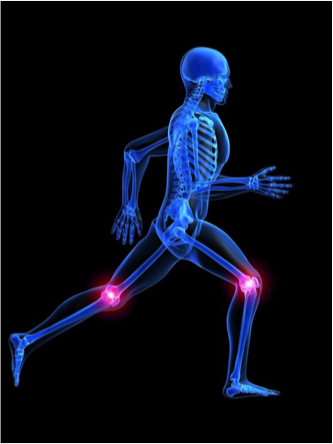
PFP is typically characterized by a dull, achy pain around or behind the kneecap that begins without a known incident, and is aggravated by anything that loads the knee while it is flexed – squatting, step up/stairs, running, jumping and even prolonged sitting. Among runners, it is the most common overuse injury, and unfortunately, becomes a chronic issue for many that experience it, regardless of the preferred activity. Needless to say, this can have a huge impact on training.
There are numerous research studies attempting to explain the causes and most effective treatments for this mysterious, but all too common ailment, including the most recent consensus statement from the British Journal of Sports Medicine.
Like many research topics, the information available on PFP seems to be, at times, contradictory and unclear. The purpose of the article is to translate what seems like a jumbled mess of research into something reasonably digestible and applicable, regarding the causes and possible treatment of PFP.
Causes (Or Effects) of Patellofemoral Pain
Excessive loading or varied and rapid increases to physical activity which your knee cannot cope with are thought to contribute to pain development. Poor biomechanics (movement) can also contribute, with the knee cap thought to move toward the outside of the knee, stopping it from tracking normally in its groove. A number of factors can lead to this poor tracking. There are numerous other contributing factors to patellofemoral pain including the structure of your knee, trauma, surgery and systemic disease, which you may wish to speak to your therapist about.
- Pelvis drops on opposite side, placing increased tension on the outside of the leg and pulling the knee cap outward.
- Hip collapses inward and rolls under the knee cap due to poor function and weakness of the hip muscles.
- Thigh muscles are weak or function poorly, meaning there is inadequate support for the knee and knee cap. Foot rolls in too much, causing the shin and knee to collapse inward under the knee cap.
Treatment Options
Exercise
What exercise principles are important?
- Your therapist may suggest a period of rest before starting exercise again.
- Exercises in sitting or lying at the beginning may help to get your hip and thigh muscles functioning without pain.
- As soon as pain allows, exercises should be performed in standing postures which mimic everyday activities.
- Your therapist should supervise you with any new exercises to ensure correct techniques.
- Using mirrors and video recordings may help you to complete correct exercise techniques at home.
- Exercises will not help unless you perform them with the correct technique and on a regular basis.
What exercises should I be completing?
- Weakness and poor function of the hip and thigh is common, so you will most likely need exercises to improve this.
- Sometimes exercises for the foot or back are also required.
- You may need to stretch your calf, hamstring or thighs.
- Exercises should be progressed to activities you previously had pain with (squatting, stairs, running, etc.), ensuring good movement patterns during their completion.
Additional Treatment
Pain reduction
- Taping or strapping can relieve pain in the short term – your therapist can apply this or teach you how to do this.
- Braces can also help relieve pain.
- Foot orthotics sometimes reduce pain. Your therapist will help you decide if they are appropriate, or refer you to someone who can.
How else can my therapist help?
- Guide you on your most appropriate exercises and other helpful treatments.
- Answer questions related to your knee pain, and explain in greater detail the contents of this information leaflet where necessary.
- Help you understand why you have knee pain, what factors have most likely caused your pain and how to modify your activity to improve your pain and recovery.
- Provide manual therapy which may be important to improve pain and flexibility.
Recent Post
-
Hip Pain After A Fall In Your 60s
Hip pain after a fall in your 60s may be a fracture, bone bruise or gluteal tendon injury. Dr Donald Cawthorne explains how to tell them apart.
-
Outer Hip Pain When Lying On Your Side
Outer hip pain when lying on your side is usually gluteal tendinopathy, bursitis or a tendon tear. MTP Health explains the causes, sleep fixes and next steps.
-
Why Hip Problems Cause Groin Pain
Groin pain is often the hip joint, not a pulled muscle. Dr Donald Cawthorne explains why hip problems refer pain to the groin and what MTP Health can do.
-
Knee Pain With A Normal Knee Scan
Knee pain but a normal MRI? Dr Jonathan Negus explains how hip arthritis, lower back nerve roots and load present as knee pain, and what to do next.
-
Bone Bruise And Bone Marrow Lesion Knee Pain
Bone bruise or bone marrow lesion on your knee MRI? Dr Jonathan Negus explains why bone hurts, healing times, loading and when subchondroplasty may help.
-
A Swollen Knee: What The Fluid Tells You
How fast a knee swells, and whether it keeps returning, points to the cause. Dr Jonathan Negus explains what the fluid means and when to seek help.
-
Morning Joint Stiffness: Why It Happens and How Long Is Normal
Key Takeaways Brief morning stiffness that eases within about half an hour is common and…
-
Knee Pain After A Twisting Injury
Twisted your knee? Learn how ACL, meniscus and MCL injuries differ, what to do in the first 72 hours and when to book an assessment with MTP Health.
-
Why Joint Pain Feels Worse at Night, and What Actually Helps
Key Takeaways Joint pain at night often worsens because anti-inflammatory cortisol falls overnight while inflammation…
-
Adult Hip Dysplasia: Symptoms, Diagnosis and Treatment Options
Key Takeaways Adult hip dysplasia means the hip socket is too shallow to fully cover…


