FAQ: Do I Need To Keep Seeing You Forever To Get The Best Outcome?
Absolutely not, as Luke talks about in the video above, our aim with all the programs that we run at MTP Health is to create programs that focus on the best long term result. While most people find that they tend to see us more than other rehab providers in the short term, we typically find that this leads to less ongoing treatment. This is because we focus on empowerment in order to allow people to manage their own injuries and get back to activities that they love
“Give a man a fish and he eats for a day. Teach a man to fish and he eats for life!”
What Is Empowerment?

What Do You Think Would Be Easier to Do? 1000 Step Ups In The Gym or 1000 Step Ups in Nature on a Hike?
Empowerment is crucial for us and the results we get, as it helps the people we work with to get the best possible outcome. A big part of empowerment is gearing people up to returning to the activities they love most. All movement is good movement and so the more we can gear people up to be able to move safely in ways that they enjoy, the less likely they are to experience issues over the long run [See Why Movement Is So Beneficial In This Article Series].
FAQ: Why Are Your Programs So Much Longer Than Most Other Physios?
Two main reasons:
- We don’t just want to treat the symptom (often pain).
- We want to address the root of what is causing those symptoms.
Addressing the root cause of the problem is the real solution to providing long-lasting treatment outcomes that genuinely last. While it takes a deeper dive initially and more responsibility from the patient, the result is well worth it.
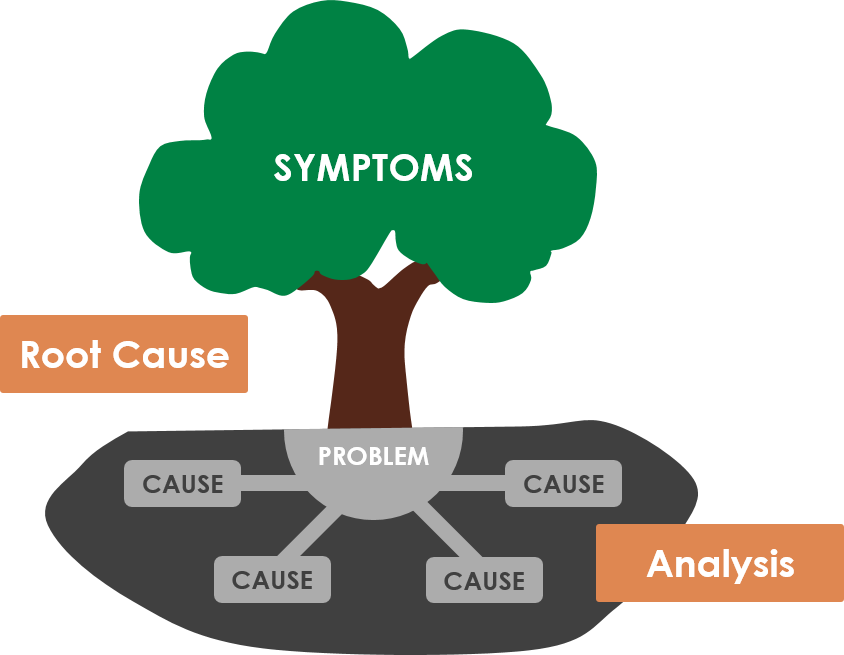
With Any Problem, There Are Always a Set of Things At The Root Of The Problem That Cause The Symptom to Arise. This Very Apparent In the Human Body.
Resources
- Empowerment, MTP’s Core Principle – A look at the science behind empowerment and why it’s so beneficial for our health long term.
- What Actually Causes Osteoarthritis – An in-depth look at the benefits of movement through the lens of a chronic musculoskeletal disease.
Recent Post
-
Total Knee Replacement vs Partial Knee Replacement: Which Option Is Right for You?
Key Takeaways Partial knee replacement is best suited to arthritis confined to one compartment with…
-
Shoulder Replacement Surgery: Signs, Types and How Reverse Works
Key Takeaways Surgery is usually considered when pain and lost function persist despite non-surgical care,…
-
Femoroacetabular Impingement (FAI): Why Your Hip Pinches and What To Do About It
Key Takeaways Hip impingement is an early contact between the ball and socket, so the…
-
Hip Replacement Recovery Week by Week: What Your Physio Wants You to Know
Key Takeaways Early walking, swelling control and steady pain relief matter more in the first…
-
Can Both Knees Be Replaced at the Same Time? Pros, Cons, and Recovery
Key Takeaways Both knees can be replaced during one operation or as staged procedures, with…
-
Bone-on-Bone Knee Arthritis: Does It Always Mean You Need a Knee Replacement?
Key Takeaways A bone-on-bone finding on an X-ray does not automatically mean you need knee…
-
What Is Osteoarthritis and Why Do My Joints Hurt?
Key Takeaways Osteoarthritis affects the whole joint, not just cartilage, and the familiar ’wear and…
-
ACL Reconstruction Surgery Cost in Australia: Who Pays What
Key Takeaways Medicare Benefits Schedule item 49542 has a schedule fee of $1,577.30, with Medicare…
-
When to Get a Hip Replacement: Age, Timing and the Signs to Watch
Key Takeaways Hip replacement timing depends on pain, function and daily life far more than…
-
Knee Replacement Recovery Week by Week: The Pattern Physios Recognise
Key Takeaways Most people walk with support within hours of surgery, and the first fortnight…