FAQ: Do I Need To Keep Seeing You Forever To Get The Best Outcome?
Absolutely not, as Luke talks about in the video above, our aim with all the programs that we run at MTP Health is to create programs that focus on the best long term result. While most people find that they tend to see us more than other rehab providers in the short term, we typically find that this leads to less ongoing treatment. This is because we focus on empowerment in order to allow people to manage their own injuries and get back to activities that they love
“Give a man a fish and he eats for a day. Teach a man to fish and he eats for life!”
What Is Empowerment?

What Do You Think Would Be Easier to Do? 1000 Step Ups In The Gym or 1000 Step Ups in Nature on a Hike?
Empowerment is crucial for us and the results we get, as it helps the people we work with to get the best possible outcome. A big part of empowerment is gearing people up to returning to the activities they love most. All movement is good movement and so the more we can gear people up to be able to move safely in ways that they enjoy, the less likely they are to experience issues over the long run [See Why Movement Is So Beneficial In This Article Series].
FAQ: Why Are Your Programs So Much Longer Than Most Other Physios?
Two main reasons:
- We don’t just want to treat the symptom (often pain).
- We want to address the root of what is causing those symptoms.
Addressing the root cause of the problem is the real solution to providing long-lasting treatment outcomes that genuinely last. While it takes a deeper dive initially and more responsibility from the patient, the result is well worth it.
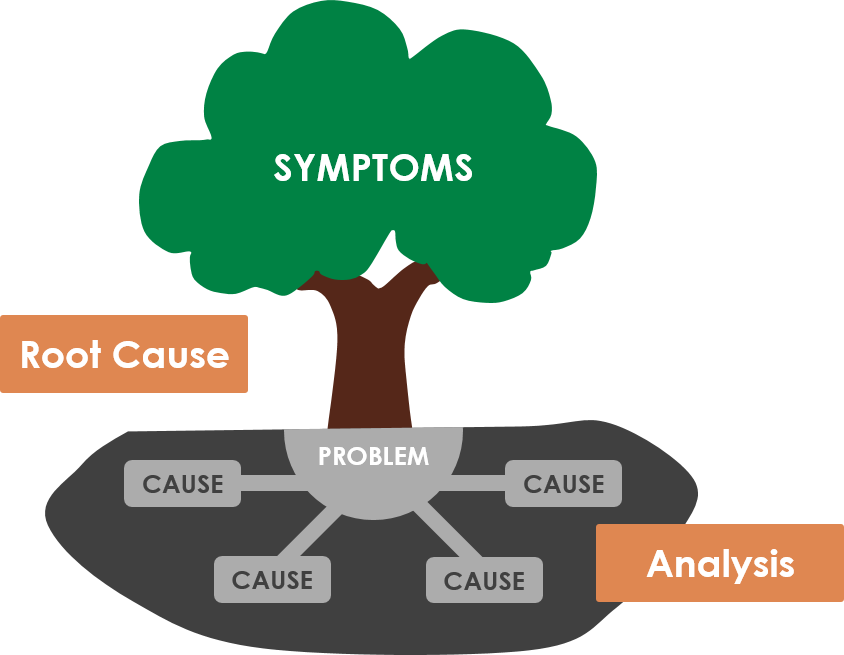
With Any Problem, There Are Always a Set of Things At The Root Of The Problem That Cause The Symptom to Arise. This Very Apparent In the Human Body.
Resources
- Empowerment, MTP’s Core Principle – A look at the science behind empowerment and why it’s so beneficial for our health long term.
- What Actually Causes Osteoarthritis – An in-depth look at the benefits of movement through the lens of a chronic musculoskeletal disease.
Recent Post
-
Grip Strength: The 30-Second Test That Predicts How Well You’ll Age
Key Takeaways A grip strength test takes about 30 seconds and gives a reliable read…
-
Heavy Lifting for Osteoporosis Isn’t Off Limits: What the Evidence Actually Shows
Key Takeaways Heavy lifting for osteoporosis was tested in the Australian LIFTMOR trial, where supervised…
-
Sarcopenia: How Invisible Muscle Loss Leads to Falls, Fractures and Joint Failure
Key Takeaways Sarcopenia often goes unnoticed because body weight can stay the same as muscle…
-
How Much Protein Do You Actually Need After 50 to Keep Muscle?
Key Takeaways Australia’s official protein figure, the recommended dietary intake, is a floor to prevent…
-
Strong Legs, Healthy Knees: The Muscle-Joint Connection Nobody Explains
Key Takeaways Being shallow and heavily loaded, the knee depends on surrounding muscles to absorb…
-
Why You Start Losing Muscle at 40, and the Science of Getting It Back
Key Takeaways Muscle mass declines by roughly 3% to 8% a decade from around age…
-
Strength Benchmarks for Staying Independent at Home as You Age
Key Takeaways Balance is a skill your body can rebuild at any age because the…
-
Balance Exercises for Older Adults: Cutting Falls Risk in Your 60s, 70s and 80s
Key Takeaways Balance is a skill your body can rebuild at any age because the…
-
Can Losing 5 kg Change Your Knee Pain? The Load Maths and the Evidence
Key Takeaways Each kilogram lost takes about four times that off the knee per step,…
-
The Metabolic Side of Osteoarthritis: How Weight and Inflammation Affect Your Joints
Key Takeaways Osteoarthritis affects the whole joint and involves low-grade inflammation, so it is more…