Key Takeaways
- Emergency department reports suggest that older adults account for many recorded pickleball injuries.
- Sprains, strains and fractures are among the injuries reported, with falls a particular concern for older players.
- Backpedalling for lobs, sudden lunges and unsuitable footwear can contribute to injury risk.
- Lower-body strength, a dynamic warm-up, balance training and a gradual build-up may help reduce injury risk.
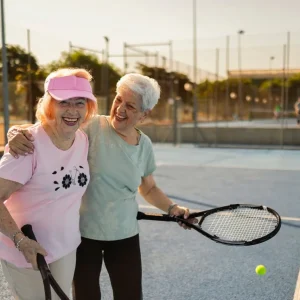
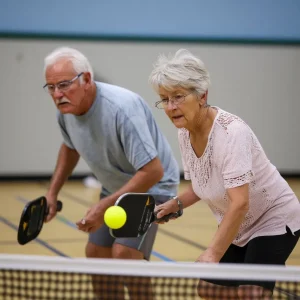
Pickleball injuries have risen alongside the sport’s popularity. Pickleball is social, easy to learn and suits a wide range of ages, which is exactly why it has drawn so many players in their 50s, 60s and 70s. The small court and quick exchanges look gentle, but the game involves short sprints, sudden stops, lunges and changes of direction that many new players have not done in years.
Understanding how injuries happen can help you take steps to reduce your risk. If an old injury or sore joint is holding you back, a physiotherapy assessment can help you return to the court with a plan.
Why Pickleball Injuries Are Rising
More Players, Older Players
Emergency department data from the United States suggest that many reported pickleball injuries involve players aged 50 and older. Pickleball has also grown in popularity in Australia.
Quick, Explosive Movements
Rallies involve short bursts, stops and lateral steps. People returning to fast-paced sport after years of lower-intensity activity may need time to build strength, balance and tolerance for these demands.
Falls
Falls are an important injury mechanism among older players. Backpedalling to reach a lob may increase the risk of losing balance.
Common Pickleball Injuries
Ankle Sprains
An ankle sprain can occur when a player rolls their ankle during a quick change of direction.
Calf and Achilles Injuries
Sudden push-offs can strain the calf or, less commonly, rupture the Achilles tendon. A sharp pain or a feeling of being kicked in the back of the leg needs urgent assessment.
Knee Pain and Strains
Lunging and pivoting load the knees. People with existing knee arthritis or meniscus problems may notice flares.
Hamstring and Groin Strains
Reaching for wide shots can overstretch the hamstrings and groin, especially without a warm-up.
Wrist Fractures
Falling onto an outstretched hand is a common way to break the wrist, particularly for older women with lower bone density.
Elbow and Shoulder Overuse
Repetitive paddle use can contribute to tennis elbow or shoulder irritation.
How to Prevent Pickleball Injuries
Build Lower-Body Strength
Strength training at least twice a week, focusing on calves, quads, hamstrings and glutes, prepares the legs for quick movements.
Warm Up Dynamically
Five to ten minutes of walking, side steps, gentle lunges, leg swings and arm circles before play can help prepare you for movement. Static stretching can be included after play if comfortable.
Train Balance and Agility
Single-leg balance, step drills and controlled direction changes improve how well you recover from awkward positions.
Avoid Backpedalling
Turn and move sideways or let a deep lob go rather than running backwards. This approach may help reduce the risk of a fall.
Wear Court Shoes
Shoes designed for court sports provide lateral support. Running shoes may offer less support for repeated sideways movements.
Build Up Gradually
Start with shorter sessions and fewer games, especially in your first months. Playing for hours several days in a row is a common route to overuse injuries.
Check the Court
Avoid wet or dusty courts, and pause play if anything is on the surface.
Bone Health and Falls
Because falls can occur during pickleball, bone strength matters. Wrist and hip fractures from a fall are more likely if bone density is low, which is common after menopause and with age. Understanding osteoporosis and bone health can help you decide whether a bone density check is worthwhile.
Balance and strength training may help reduce falls risk and support safer movement. Falls prevention programs focus on exactly these qualities.
Playing With Joint Problems or Replacements
Some people with knee or hip arthritis or a joint replacement may be able to play pickleball. Doubles, shorter sessions and avoiding deep lunges may help manage the demands of play. Check with your surgeon or physiotherapist about specific movements after joint replacement.
If You Get Injured
For a minor sprain or strain, protect the area, use a cold pack for comfort in the first day or two and keep gentle movement going as pain allows. Seek assessment if:
- You cannot bear weight or move the joint.
- There is significant swelling or bruising.
- You heard a pop or felt something give way.
- Pain is not improving after a few days.
A fall onto the hand with wrist pain should be checked, as small fractures can be missed. Common causes of wrist pain after a fall and when to get imaging are worth knowing.
Returning to Play
Return gradually when pain and swelling have settled and you have regained enough strength, balance and movement control for the demands of play. Start with short, social games and build up. Continuing strength and balance work alongside play may help reduce the risk of another injury.
Enjoy the Game for Longer
Pickleball offers great fitness and social benefits, especially for older adults. Falls, sudden movements and increasing activity too quickly can contribute to injuries. Strength and balance training, a good warm-up, proper shoes and a gradual build-up can help keep you on the court.
Frequently Asked Questions (FAQs)
1. What is the most common pickleball injury?
Sprains and strains of the ankle, calf and knee are commonly reported, alongside fractures such as wrist fractures after falls. The pattern of injuries varies by age and how injuries are recorded.
2. Why do older players get injured playing pickleball?
The game involves quick stops, lunges and direction changes that many people have not trained for. Changes in strength and balance with age can make falls a concern. Building up gradually and training strength helps.
3. How do I avoid falling in pickleball?
Avoid backpedalling for lobs, wear court shoes and play on dry courts. Training balance and leg strength makes it easier to recover from awkward positions. Let difficult shots go rather than over-reaching.
4. Is pickleball safe after a knee replacement?
Some people may return to doubles pickleball after knee replacement if their surgeon considers it appropriate. Building strength first and modifying deep lunges or sudden pivots may help. Discuss timing with your surgeon.
5. Should I see a physio for a pickleball injury?
If pain, swelling or weakness is not settling, or you cannot move normally, an assessment is worthwhile. A physiotherapist can assess the problem and help plan a gradual return to play.
Disclaimer: This article is general information only and does not take into account your objectives, health situation or needs. It should not replace individual assessment by a qualified health professional. Before acting on anything here, consider speaking with your GP, physiotherapist, exercise physiologist or surgeon about your own circumstances.
Recent Post
-
Tennis Injury Prevention and Conditioning
Key Takeaways Tennis combines sprints, sudden stops, lateral lunges and repeated overhead serving, which places…
-
Golf Injury Prevention and Conditioning for Golfers
Key Takeaways Lower back pain is frequently reported by golfers, alongside elbow, shoulder and wrist…
-
Pickleball Injuries and How to Play Safely
Key Takeaways Emergency department reports suggest that older adults account for many recorded pickleball injuries.…
-
Sleep and Muscle Recovery
Key Takeaways One night without sleep reduced muscle protein building by 18% in young adults,…
-
Do Ice Baths Work? Cold Water and Sauna Evidence
Key Takeaways Cold water immersion eases muscle soreness slightly more than resting, with the clearest…
-
Blood Flow Restriction Training: Strength Without Heavy Loads
Key Takeaways Blood flow restriction training combines individually measured cuff pressure with light loads, typically…
-
Exercise Snacking: Micro-Workouts for Busy People
Key Takeaways Exercise snacks are short, purposeful bursts of activity, from about 20 seconds to…
-
Walking, Step Counts and Joint Health: Is 10,000 Steps a Myth?
Key Takeaways The 10,000 figure began as the name of a 1960s Japanese pedometer, not…
-
What Is Zone 2 Training? VO2 Max and Zone 2 Explained
Key Takeaways In the common five-zone model, zone 2 covers 60 to 70% of maximum…
-
Exercise to Lower Blood Pressure: What Type and How Much
Key Takeaways Regular exercise lowered resting systolic blood pressure by about 4 to 8 mmHg…