
|
Only good joint mechanics will allow good positions without load.
|
No back pain on the horizon in these positions.
|
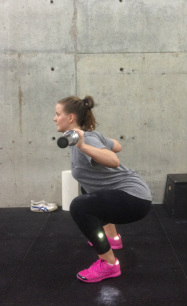
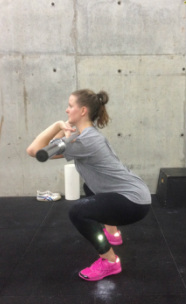
Therefore, when asked ‘how do you head things of at the pass?’ The answer is ‘you address the main players above and below the danger areas’. If you neglect your hip mobility (extension, internal rotation, flexion, and external rotation) and you are starting to feel tight in your hips when you squat, lunge, run etc., then you better believe that your low back is doing some serious overtime to pick up the slack.
With recurrence rates within 1 year of a low back pain episode at approximately 83%, prevention is absolutely better than a cure.
The moral of the story: if your upper back or hips feel tight – GET ON IT. Roll, stretch, distract and mobilise tissue. Get them moving properly before you work out, after you work out, and even when you are at home watching TV – get on the floor and mobilise. Otherwise, if you continue to lift heavy and expect the tightness to disappear, expect some back pain and an enforced rest period.
Try out these twists on some common Hip stretches to improve your Internal and External Rotation.
External Hip Rotation:
|
Standing ‘pigeon’ stretch: The key to this stretch is to have the knee flat or supported, inline with the hip. Don’t let the knee get outside your hip.
|
To increase the stretch, lower yourself down. Don’t lean forward. Maintain lumbar position just as you want to in a squat.
|


Internal Hip Rotation:
|
Make sure the knee is inline with the hip. Try this one without any loading first, it can be seriously uncomfortable if you have limited internal rotation.
|
If you find the hip of the internally rotated leg lifting off the floor, anchor it with a plate.
|


Recent Post
-
Is Muscle Damage Really Less With Anterior Hip Replacement? Separating Myth from Evidence
Key Takeaways Anterior hip replacement works between major muscles but still involves soft-tissue retraction, capsular…
-
PAO Recovery Timeline: Returning to Work, Driving, and Sport After Hip Dysplasia Surgery
Key Takeaways PAO recovery occurs through separate milestones, with bone healing guiding weight bearing, crutch…
-
Returning to Running and High-Impact Sport After Hip Resurfacing
Key Takeaways Many patients can return to running after hip resurfacing, but individual suitability depends…
-
Hip Resurfacing vs Total Hip Replacement: Which Is Better for Active Adults?
Key Takeaways Neither hip resurfacing nor total hip replacement is universally better for active adults;…
-
Posterior Hip Replacement FAQs: Common Questions Patients Ask Before Surgery
Key Takeaways Posterior hip replacement is a well-established surgical approach, and suitability depends on your…
-
Return to Golf, Hiking, and Cycling After an Anterior Hip Replacement
Key Takeaways Returning to golf, hiking and cycling is realistic for many patients, but readiness…
-
Partial Knee Replacement Recovery Timeline: Week-by-Week Expectations
Key Takeaways Recovery after partial knee replacement is best measured by functional progress rather than…
-
Common Reasons Patients Are Not Suitable for a Partial Knee Replacement
Key Takeaways Partial knee replacement is only suitable when arthritis, knee stability, alignment and overall…
-
How Long Can You Wait Before Converting a Partial Knee Replacement to a Total Knee Replacement?
Key Takeaways There is no fixed timeframe for converting a partial knee replacement to a…
-
Why Your Surgeon May Recommend a Partial Instead of a Total Knee Replacement
Key Takeaways Partial knee replacement is recommended when arthritis is confined to one compartment, allowing…


I reall like the simplistic delivery of the connection cause & effect! Plus the exercises I will be definitely trying! Thank you
If only my doctor understood this I would be fixed by now
I used these two drills with athletes this morning and they were amazed at the dramatic difference it made to their squat. It made immediate difference in the ability to hit depth and reduced the amount of hip tightness experienced while squatting.