
|
Only good joint mechanics will allow good positions without load.
|
No back pain on the horizon in these positions.
|
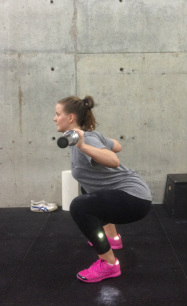
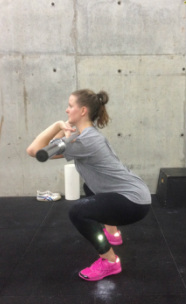
Therefore, when asked ‘how do you head things of at the pass?’ The answer is ‘you address the main players above and below the danger areas’. If you neglect your hip mobility (extension, internal rotation, flexion, and external rotation) and you are starting to feel tight in your hips when you squat, lunge, run etc., then you better believe that your low back is doing some serious overtime to pick up the slack.
With recurrence rates within 1 year of a low back pain episode at approximately 83%, prevention is absolutely better than a cure.
The moral of the story: if your upper back or hips feel tight – GET ON IT. Roll, stretch, distract and mobilise tissue. Get them moving properly before you work out, after you work out, and even when you are at home watching TV – get on the floor and mobilise. Otherwise, if you continue to lift heavy and expect the tightness to disappear, expect some back pain and an enforced rest period.
Try out these twists on some common Hip stretches to improve your Internal and External Rotation.
External Hip Rotation:
|
Standing ‘pigeon’ stretch: The key to this stretch is to have the knee flat or supported, inline with the hip. Don’t let the knee get outside your hip.
|
To increase the stretch, lower yourself down. Don’t lean forward. Maintain lumbar position just as you want to in a squat.
|


Internal Hip Rotation:
|
Make sure the knee is inline with the hip. Try this one without any loading first, it can be seriously uncomfortable if you have limited internal rotation.
|
If you find the hip of the internally rotated leg lifting off the floor, anchor it with a plate.
|


Recent Post
-
Hip Pain After A Fall In Your 60s
Hip pain after a fall in your 60s may be a fracture, bone bruise or gluteal tendon injury. Dr Donald Cawthorne explains how to tell them apart.
-
Outer Hip Pain When Lying On Your Side
Outer hip pain when lying on your side is usually gluteal tendinopathy, bursitis or a tendon tear. MTP Health explains the causes, sleep fixes and next steps.
-
Why Hip Problems Cause Groin Pain
Groin pain is often the hip joint, not a pulled muscle. Dr Donald Cawthorne explains why hip problems refer pain to the groin and what MTP Health can do.
-
Knee Pain With A Normal Knee Scan
Knee pain but a normal MRI? Dr Jonathan Negus explains how hip arthritis, lower back nerve roots and load present as knee pain, and what to do next.
-
Bone Bruise And Bone Marrow Lesion Knee Pain
Bone bruise or bone marrow lesion on your knee MRI? Dr Jonathan Negus explains why bone hurts, healing times, loading and when subchondroplasty may help.
-
A Swollen Knee: What The Fluid Tells You
How fast a knee swells, and whether it keeps returning, points to the cause. Dr Jonathan Negus explains what the fluid means and when to seek help.
-
Morning Joint Stiffness: Why It Happens and How Long Is Normal
Key Takeaways Brief morning stiffness that eases within about half an hour is common and…
-
Knee Pain After A Twisting Injury
Twisted your knee? Learn how ACL, meniscus and MCL injuries differ, what to do in the first 72 hours and when to book an assessment with MTP Health.
-
Why Joint Pain Feels Worse at Night, and What Actually Helps
Key Takeaways Joint pain at night often worsens because anti-inflammatory cortisol falls overnight while inflammation…
-
Adult Hip Dysplasia: Symptoms, Diagnosis and Treatment Options
Key Takeaways Adult hip dysplasia means the hip socket is too shallow to fully cover…


I reall like the simplistic delivery of the connection cause & effect! Plus the exercises I will be definitely trying! Thank you
If only my doctor understood this I would be fixed by now
I used these two drills with athletes this morning and they were amazed at the dramatic difference it made to their squat. It made immediate difference in the ability to hit depth and reduced the amount of hip tightness experienced while squatting.