
FAQ: Will I Have To See You Forever?
FAQ: Do I Need To Keep Seeing You Forever To Get The Best Outcome?
Absolutely not, as Luke talks about in the video above, our aim with all the programs that we run at MTP Health is to create programs that focus on the best long term result. While most people find that they tend to see us more than other rehab providers in the short term, we typically find that this leads to less ongoing treatment. This is because we focus on empowerment in order to allow people to manage their own injuries and get back to activities that they love
“Give a man a fish and he eats for a day. Teach a man to fish and he eats for life!”
What Is Empowerment?

What Do You Think Would Be Easier to Do? 1000 Step Ups In The Gym or 1000 Step Ups in Nature on a Hike?
Empowerment is crucial for us and the results we get, as it helps the people we work with to get the best possible outcome. A big part of empowerment is gearing people up to returning to the activities they love most. All movement is good movement and so the more we can gear people up to be able to move safely in ways that they enjoy, the less likely they are to experience issues over the long run [See Why Movement Is So Beneficial In This Article Series].
FAQ: Why Are Your Programs So Much Longer Than Most Other Physios?
Two main reasons:
- We don’t just want to treat the symptom (often pain).
- We want to address the root of what is causing those symptoms.
Addressing the root cause of the problem is the real solution to providing long-lasting treatment outcomes that genuinely last. While it takes a deeper dive initially and more responsibility from the patient, the result is well worth it.
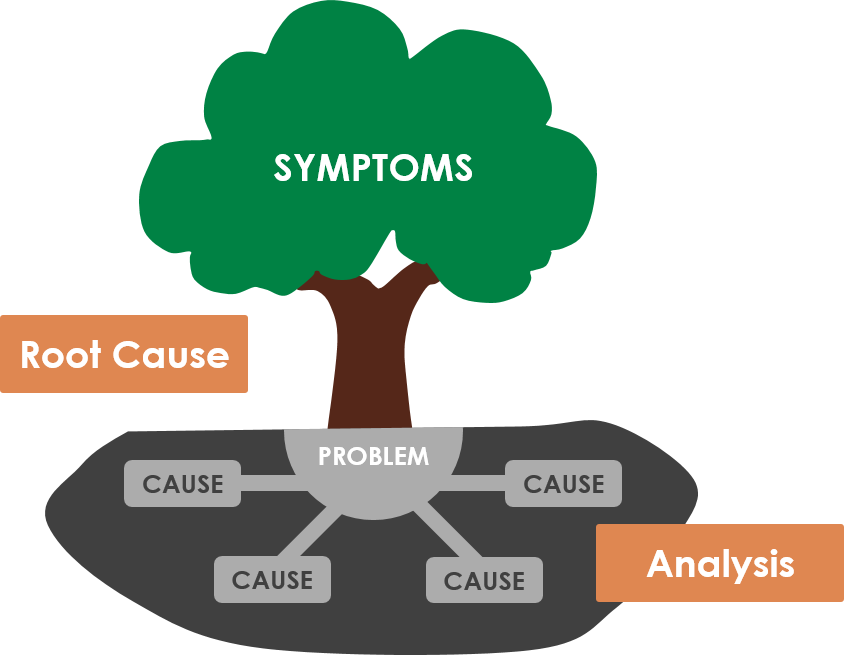
With Any Problem, There Are Always a Set of Things At The Root Of The Problem That Cause The Symptom to Arise. This Very Apparent In the Human Body.
Resources
- Empowerment, MTP’s Core Principle – A look at the science behind empowerment and why it’s so beneficial for our health long term.
- What Actually Causes Osteoarthritis – An in-depth look at the benefits of movement through the lens of a chronic musculoskeletal disease.