
Injuries
What is a Baker’s Cyst? How its diagnosed and treated.
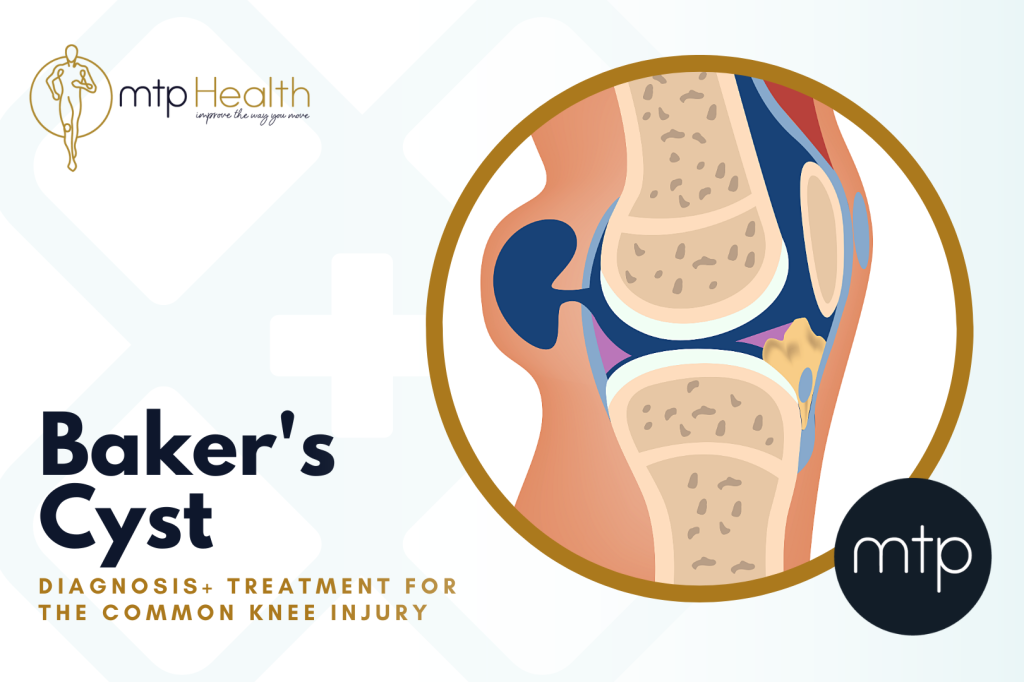
Every other day at MTP Health patients present with concerns about being diagnosed with a Baker’s cyst or Popliteal cyst. Understandably, finding out you have a “cyst” in your knee sounds bad. But the good news is they really are harmless. Without a doubt they can be annoying and a little uncomfortable at times but…
See MoreMeniscal Tears
“Unlocking the Mystery of Meniscal Tears: Diagnosis and Treatment for a Common Knee Injury” What are meniscal tears? The menisci are C-shaped pieces of cartilage in your knee that act as shock absorbers and help to stabilise the joint. A meniscal tear is a common injury that occurs when one or both of these pieces…
See MoreHamstring Tendinosis Part 1 – Diagnosis

If you or someone you know has suffered with lingering or recurrent hamstring or glute pain then this article is for you. Hamstring tendinosis can be a real pain in the butt… So in this 2 part series we are going to take a deep dive into what hamstring tendinosis is, how it is diagnosed,…
See MoreBreaking the Cycle of Recurring Injuries [Part 2]
Injuries are no fun. The pain is genuinely draining. But the same injury or pain coming back again and again after you thought you had dealt with it? That takes the cake… In part 1 or this article we discussed the first 3 steps to break the cycle of recurrent injuries. Awareness and applying a…
See MoreBreaking the Cycle of Recurring Injuries [Part 1]
Do you have a pain or injury that just keeps coming back? That’s been on and off for so long that you now just think of it as part of your life? Initially perhaps you thought that you might be able to shake it off quickly and get back to your normal routine, a quick…
See MoreWhere Most People Fall Down When It Comes to Rehab
Everyone loves a good comeback story. That’s what most of our work at MTP revolves around. From seeing people get back to running after problematic knee injuries, to being able to hike again after chronic hip pain. We focus on paving a successful road to recovery. To us, this is how the experience of rehab…
See MoreInjury [The Only Cause]
Why do all injuries occur? There is ONE simple principle that dictates why any musculoskeletal injury occurs: Load > Capacity When we really boil it down to its simplest components, that’s all there is to it. At the time you got injured, your tissue simply didn’t have the load-bearing capacity to tolerate the force that…
See MoreHow To Squat Without Knee Pain
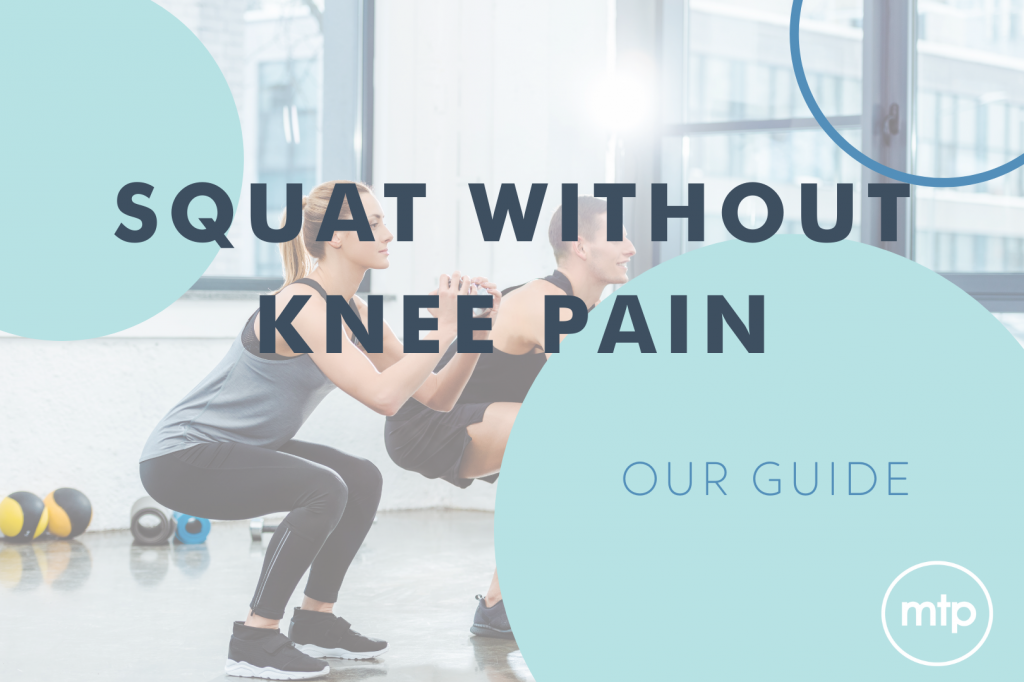
How To Squat Without Knee Pain Squats are one of the most popular and effective exercises an individual can do. It’s arguably one of the most effective tools that can be used in under 5 seconds for measuring overall body mobility & movement capacity. However, they can also be one of the most hazardous with…
See MoreFAQ: Will I Have To See You Forever?
FAQ: Do I Need To Keep Seeing You Forever To Get The Best Outcome? Absolutely not, as Luke talks about in the video above, our aim with all the programs that we run at MTP Health is to create programs that focus on the best long term result. While most people find that they…
See MoreWhy you are Always Stiff, Tired and Sore
If you have been following along, you will know that mobility is incredibly important for optimal health and performance. However, you will also know that it is poorly understood. Today I want to talk about why mobility is a function of our daily lives and the activities we do, along with why we must train…
See More