
Breaking the Cycle of Recurring Injuries [Part 1]
Do you have a pain or injury that just keeps coming back? That’s been on and off for so long that you now just think of it as part of your life? Initially perhaps you thought that you might be able to shake it off quickly and get back to your normal routine, a quick…
See MoreWhere Most People Fall Down When It Comes to Rehab
Everyone loves a good comeback story. That’s what most of our work at MTP revolves around. From seeing people get back to running after problematic knee injuries, to being able to hike again after chronic hip pain. We focus on paving a successful road to recovery. To us, this is how the experience of rehab…
See MorePain Behind the Knee: What Is It and How To Treat It?
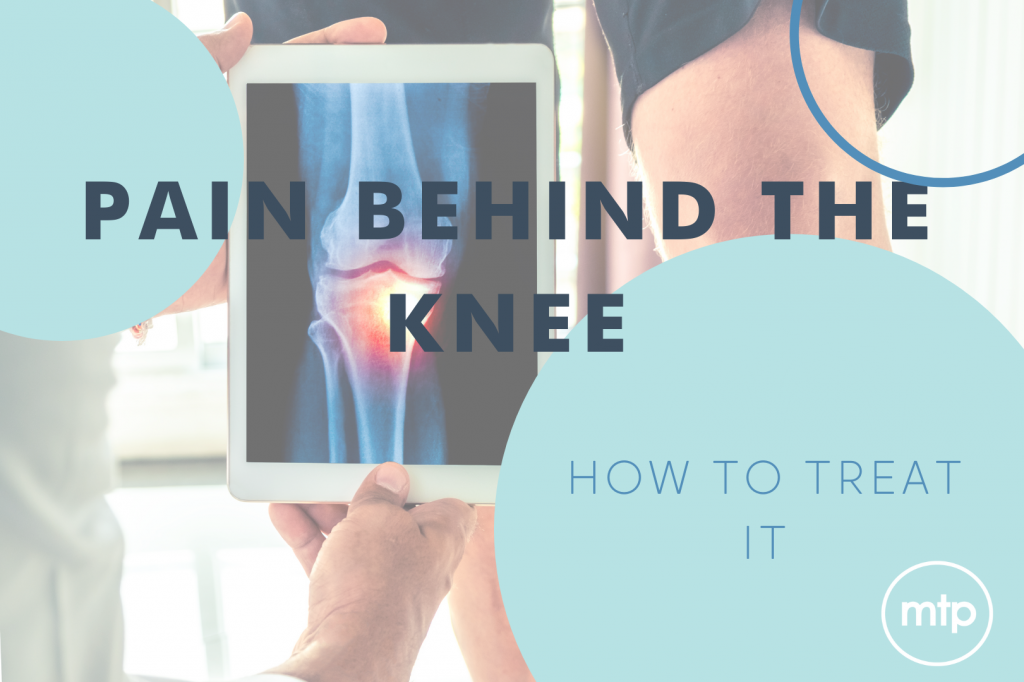
Pain Behind the Knee: What Is It and How To Treat It? The knee joint is categorised as a hinge joint that has the capacity to bend or flex, as well as having slight rotational components. This anatomical structure somewhat limits its Range of Motion, making it an inherently stable joint. This ‘stability that the…
See MoreInjury [The Only Cause]
Why do all injuries occur? There is ONE simple principle that dictates why any musculoskeletal injury occurs: Load > Capacity When we really boil it down to its simplest components, that’s all there is to it. At the time you got injured, your tissue simply didn’t have the load-bearing capacity to tolerate the force that…
See MoreClient Profile – Rachael [When Physiotherapy Isn’t Enough]
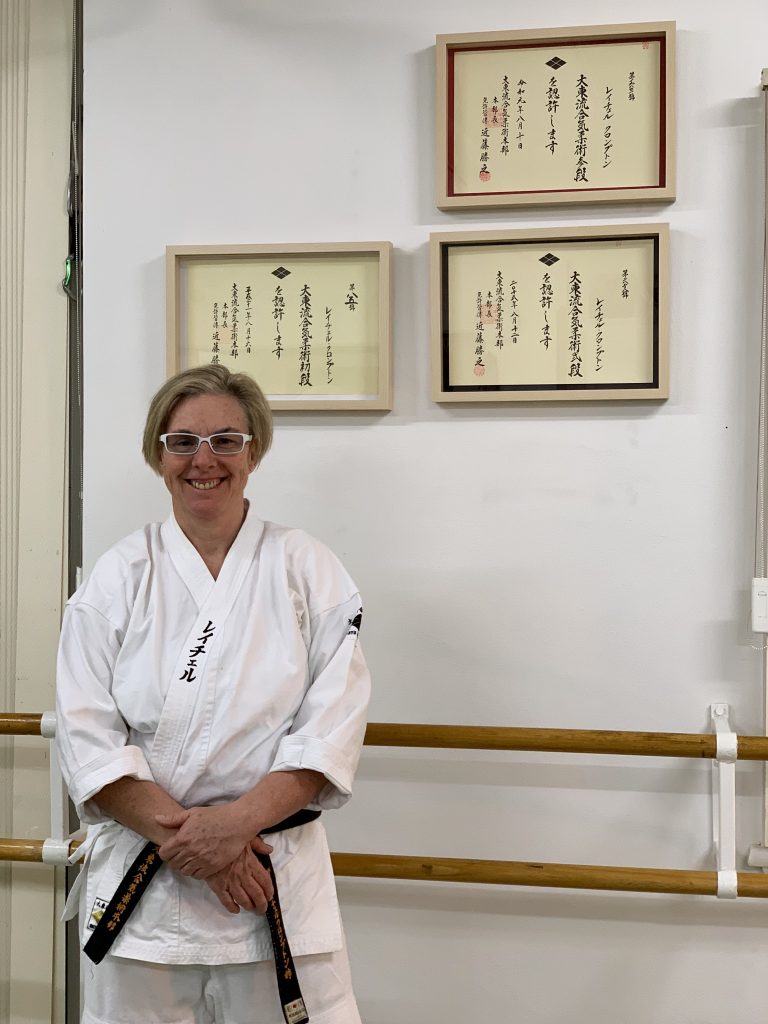
Rachael is a glowing member of our community at MTP, who continues to do amazing things with her body. As a lifelong athlete and owner of a jujitsu Dojo in North Sydney, she needs a body that functions at its absolute best, in order for her to be able to do the things…
See MorePain [The Ultimate Guide]
The Ultimate Guide to Pain Pain can be a complex, emotionally charged topic that truly is one of the most interesting phenomena faced in modern healthcare. It holds no bounds & affects people in a multitude of ways. And yet, for most people, it holds an authoritative quality to it. It tends to be demanding,…
See MoreInner Knee Pain: What Is It & How To Treat It
Inner Knee Pain: What Is It & How To Treat It The knee is not only the largest joint in the body but it’s also one of the most complex. We use our knees for so many parts of day to day life and it’s not until knee pain strikes that we realise how important…
See MoreHow To Squat Without Knee Pain
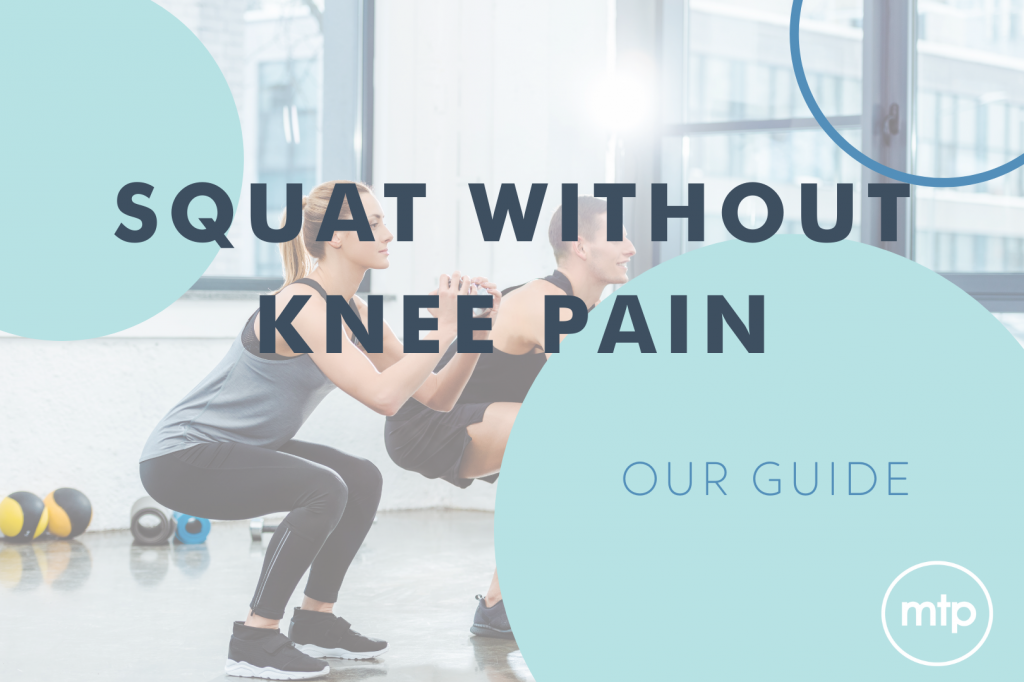
How To Squat Without Knee Pain Squats are one of the most popular and effective exercises an individual can do. It’s arguably one of the most effective tools that can be used in under 5 seconds for measuring overall body mobility & movement capacity. However, they can also be one of the most hazardous with…
See MoreExperiencing Hip Pain When Sitting: What Should l Do?
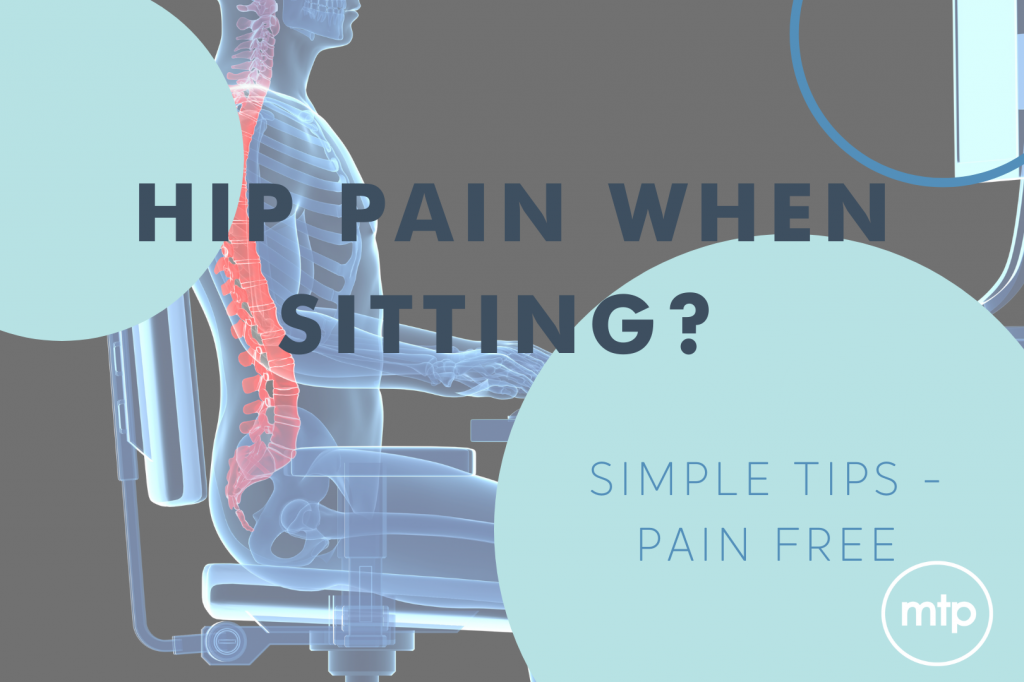
Experiencing Hip Pain When Sitting: What Should l Do? With so much of our lives spent sitting down at work, mealtimes and during our relaxation hours, experiencing constant hip pain when sitting can be debilitating, and really affect your quality of life. Fortunately, you don’t have to put up with this pain long term. Most…
See MoreThe Ultimate Guide to TMJ & Jaw Pain
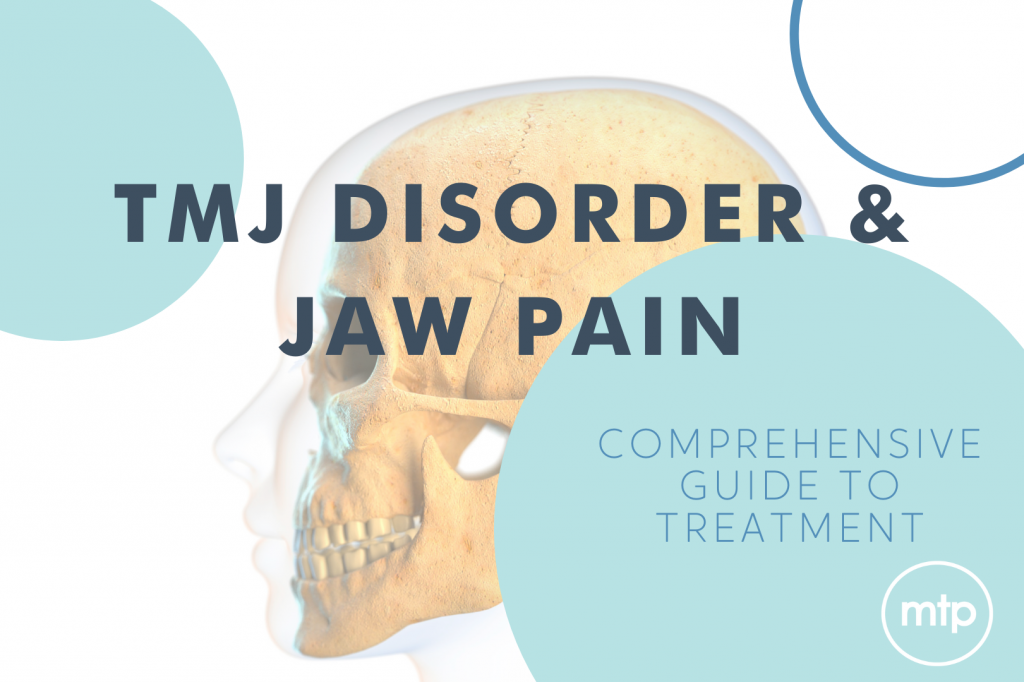
TMJ Temporomandibular Joint Dysfunction (TMJD) is an issue that affects many people, being caused by a range of different factors and can be quite stubborn to treat. TMJ Disorder consists of a wide variety of symptoms ranging from pain, clicking, difficulty eating, lockjaw or loss of opening (Trismus), teeth grinding or clenching along with referred…
See More